

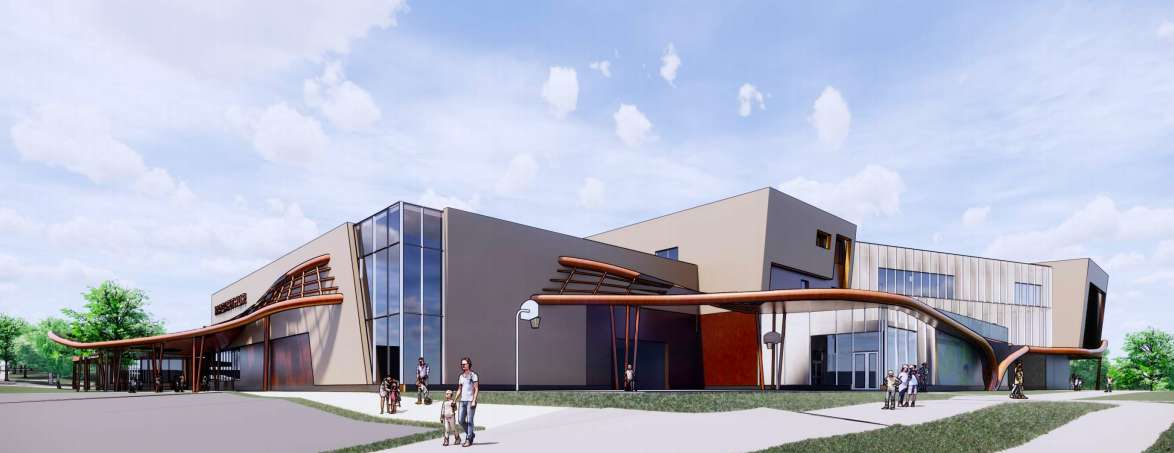
The Alexandria City Council on Tuesday approved a proposal to allow for more density at public schools under development.
Schools are still limited to six stories, as the height restriction of 60 feet remains unchanged, although floor acceptable area ratios of 0.60 have been increased to 0.75. In other words, schools might not be taller but they will take up more space.
Council unanimously approved the action without discussion.
According to the ordinance, “Notwithstanding any contrary provision of this ordinance, a public elementary or secondary school, located in a residential or mixed use zone, may be constructed, expanded or reconstructed to a size which exceeds the density and height otherwise permitted by the regulations in such zone; provided, that a special use permit is approved, and, provided further, that no increase in floor area ratio greater than 0.75, and no increase in height greater than 60 feet, shall be approved.”
The city maintains that the ordinance change has nothing to do with co-locating affordable housing on school sites, which the city and ACPS have discussed over the last year.
“It is a relatively simple change to an existing ordinance that should not have broader policy implications except to account for the fact that replacement schools may need to be a little larger than anticipated 30 years ago when that ordinance was last changed,” City spokesman Craig Fifer previously told ALXnow.
Image via ACPS
