
Good Monday evening, Alexandria. Here’s a look back at today’s most-read stories and a look ahead to tomorrow.
📈 Today’s most-read stories
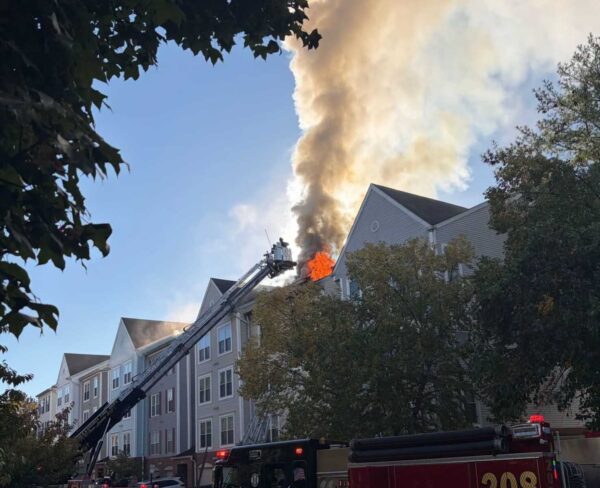
- Fire at Alexandria residential building injures firefighter, displaces residents in 14 units (2,029 views)
- PHOTOS: Del Ray Halloween Parade marks 30th year
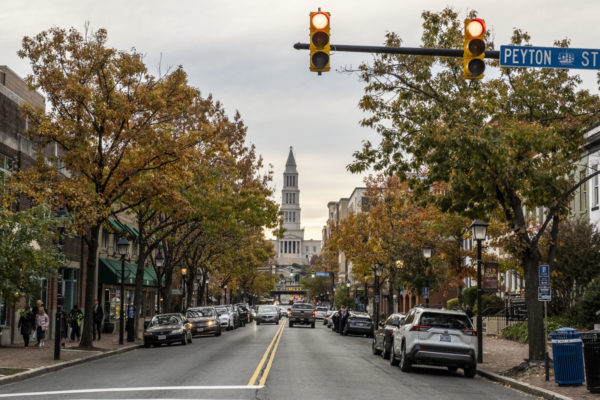
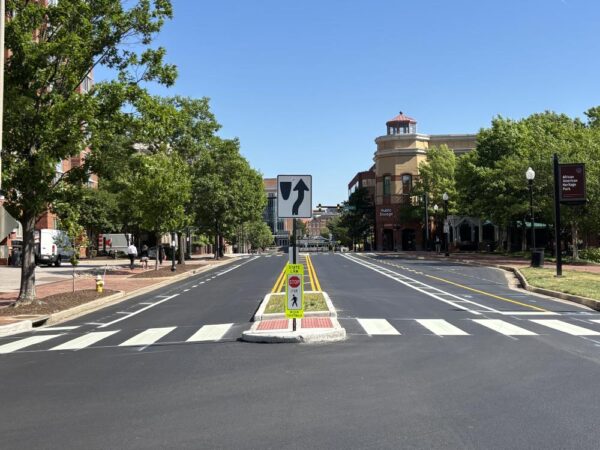
- ‘No turn on red’ restrictions proposed for Old Town signalized intersections
🕗 More from today
Everything else we published today, Oct 26, 2026.
- Morning Notes for October 26, 2026
- APD investigates graffiti targeting immigrants found on Mount Jefferson Park Trail
- Southbound Holland Lane closes for tree planting work
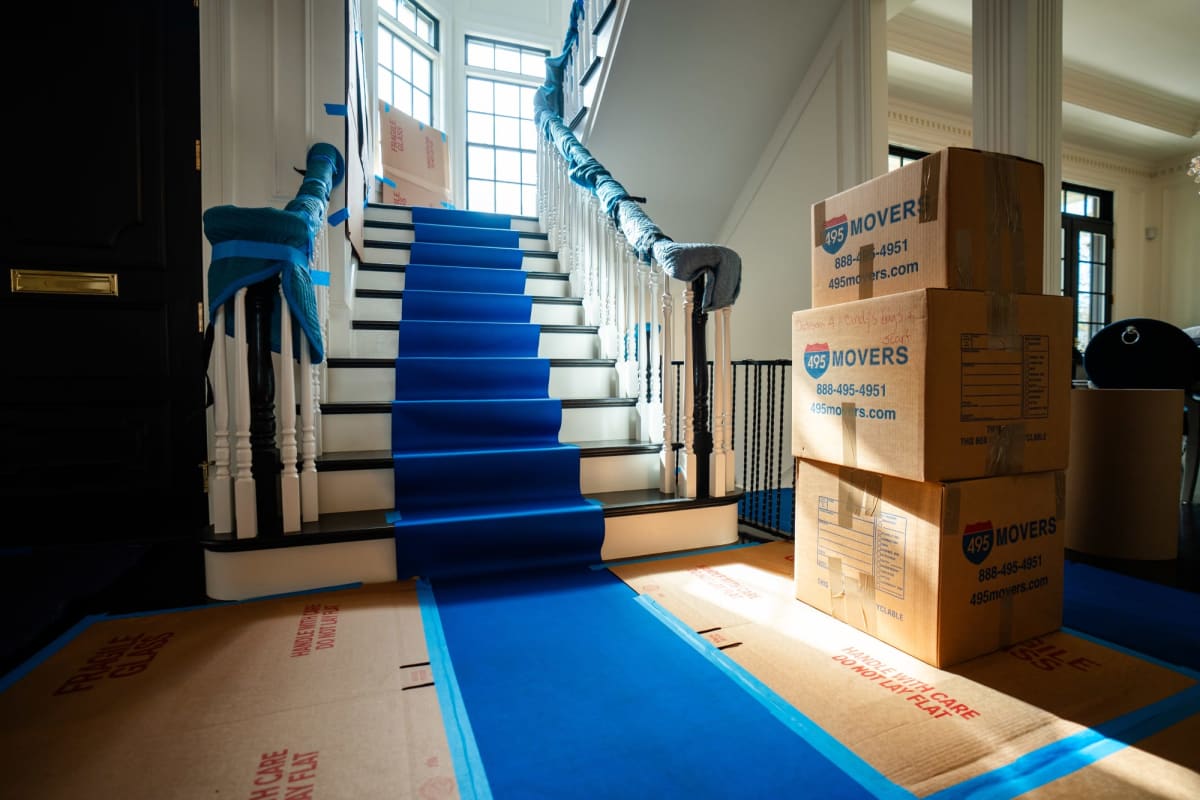
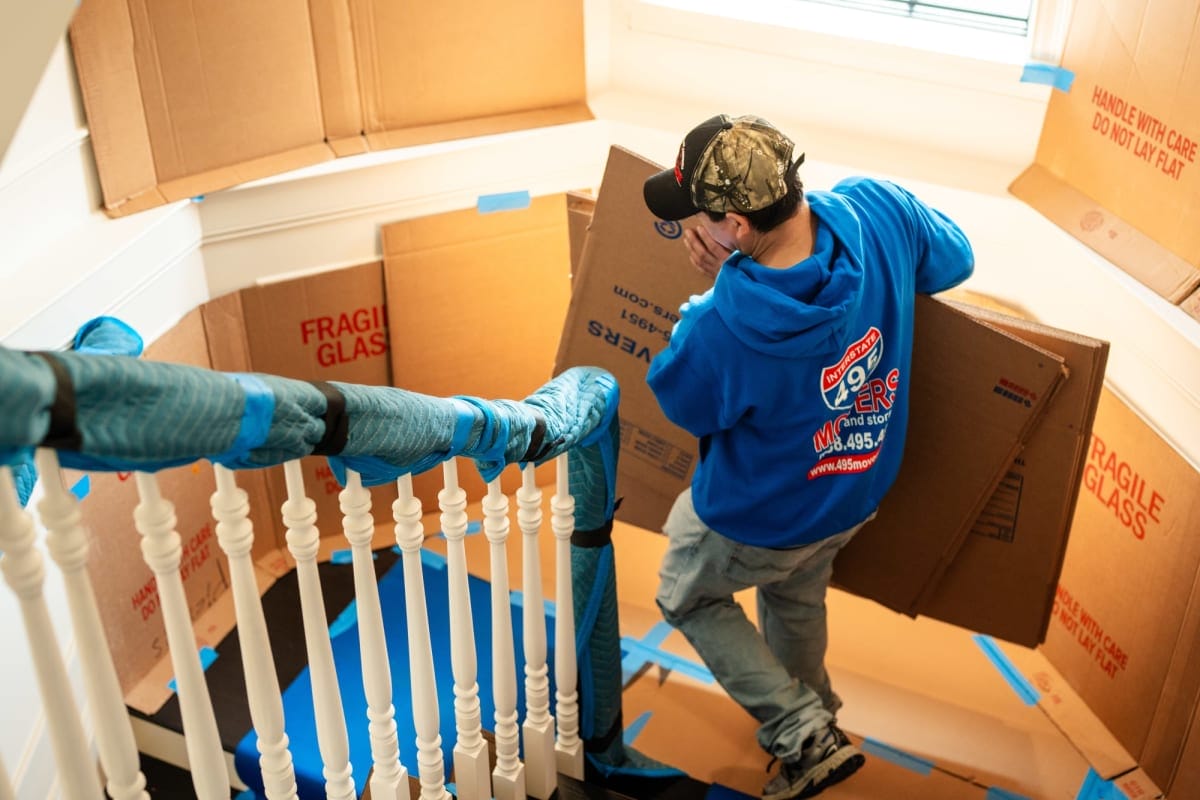
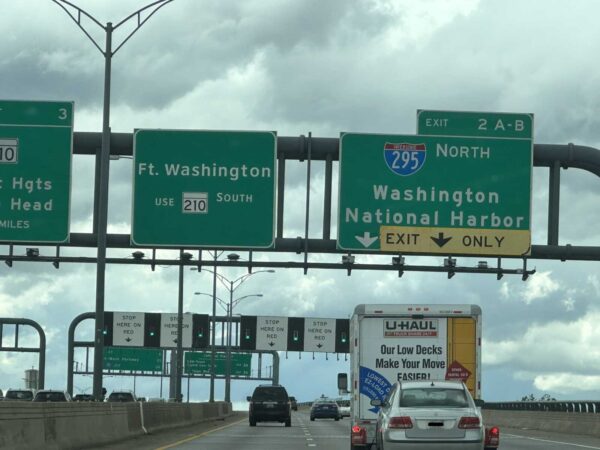
- Va. transportation chief pledges to minimize local impacts of I-495 Southside project
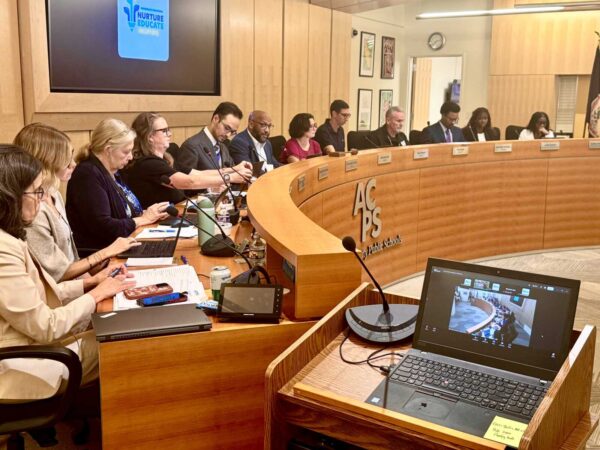
- Alexandria City School Board weighs first raise since 2007, alongside major election overhaul
📣 Announcements
Alexandria Fitness Studio for People Over 50 Closes Fall Into Fitness Program in 11 Days
Revolutionary Fitness, the semi-private strength and longevity studio at 215 N. Payne St. in… [Announcement]
Army Navy Game Day 5k and 10k Run, sponsored by the Washington, D.C. Foreign Area Officers Association
Attention all runners, joggers, and Army Navy fans! Come join us on Saturday, 12 December 2026… [Announcement]
⭐ Featured events
CatRad Halloween Eve!
Oct 30: Join us for our second annual CatRad Halloween Eve! A night of ghoulish fun, spooky treats… [Event]
Imperium Open House: Discover a Smarter Way to Get Stronger
Nov 1: Explore a different approach to strength training at Imperium’s free open house in Old Town Alexandria. [Event]
Dialogue for Democracy
Nov 3: Dialogue for Democracy invites high school students from across the DMV to George Mason University. [Event]
How Retirement Communities Work – A Free Workshop
Nov 4: Interested in learning about how Continuing Care Retirement Communities work, but don’t know where to start? Join us on 11/4 to learn more! [Event]
Submit events, announcements, or home listings to ALXnow.
🌤️ Weather update
Today: Alexandria saw a high of 72° at 1:35 p.m. (6° above normal), a low of 46° at 3:55 a.m. and no rain.
Tonight: Mostly clear, with a low around 50. Northwest wind around 5 mph.
Tuesday: Sunny, with a high near 69. Northeast wind around 7 mph.
🌅 Tonight’s sunset
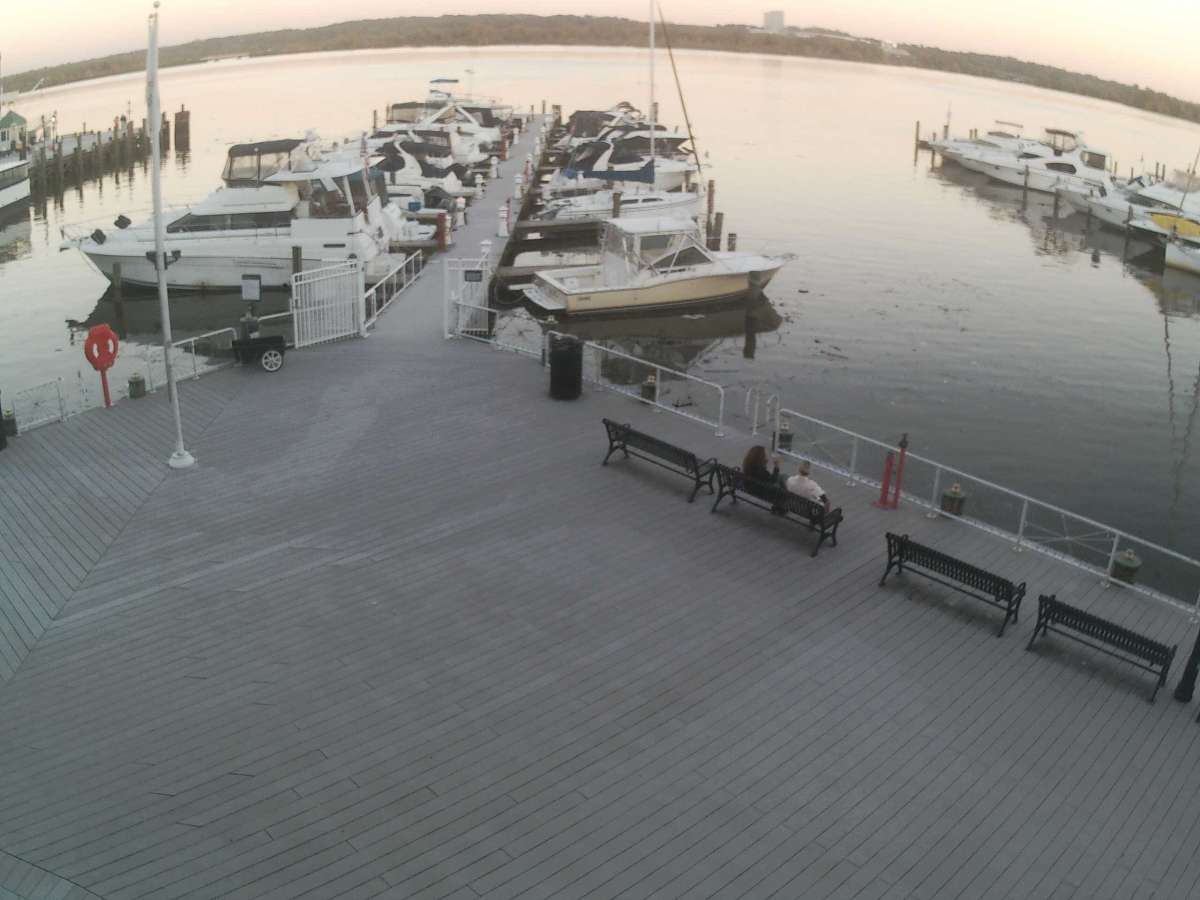
The photo above is from the City of Alexandria’s marina webcam.
Thanks for reading!