

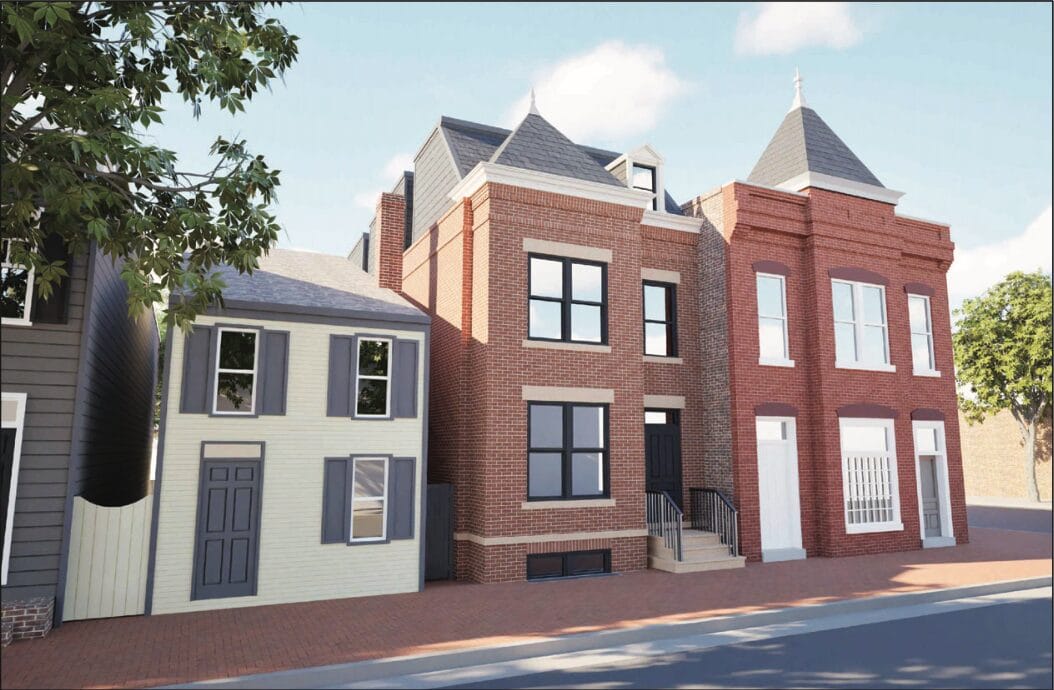
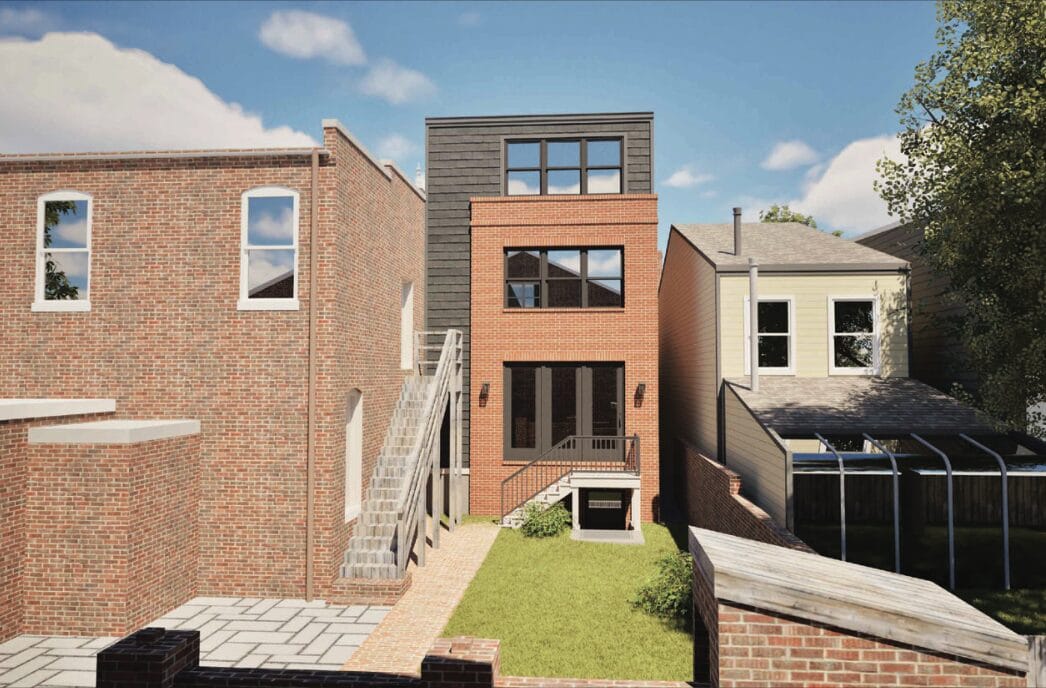
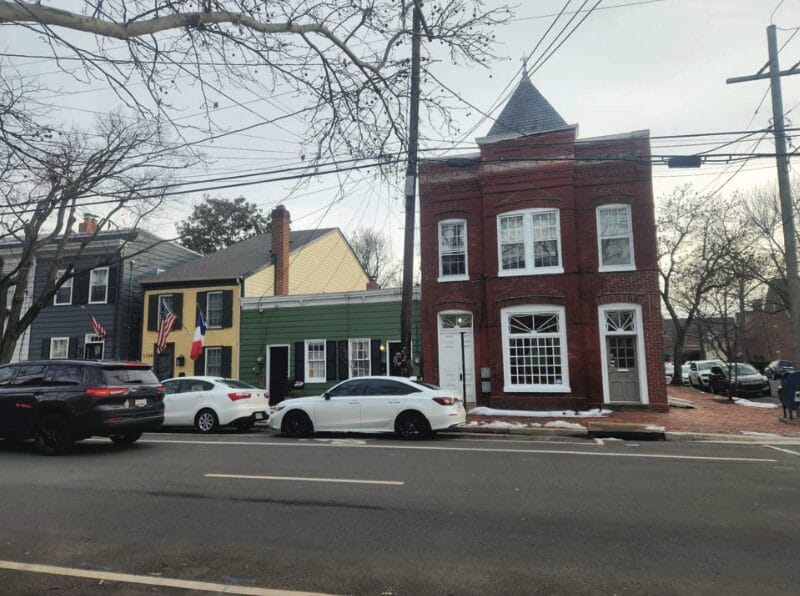
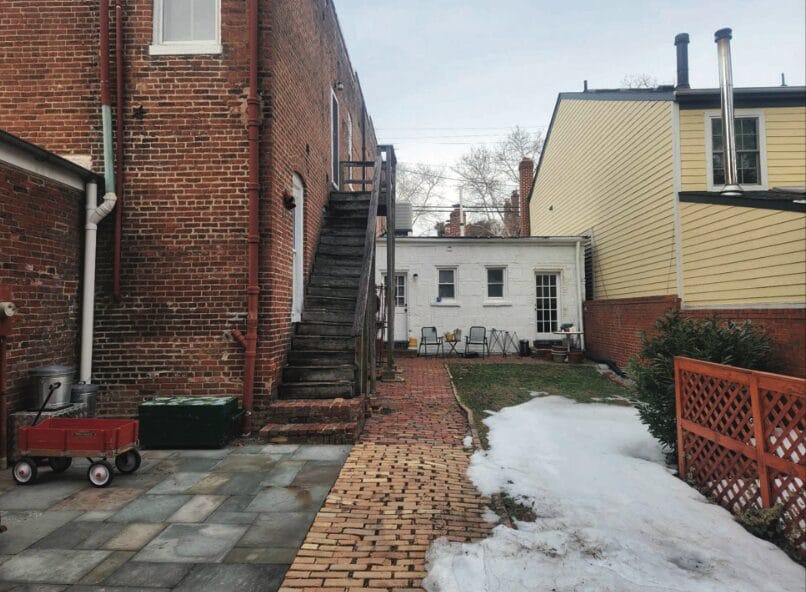
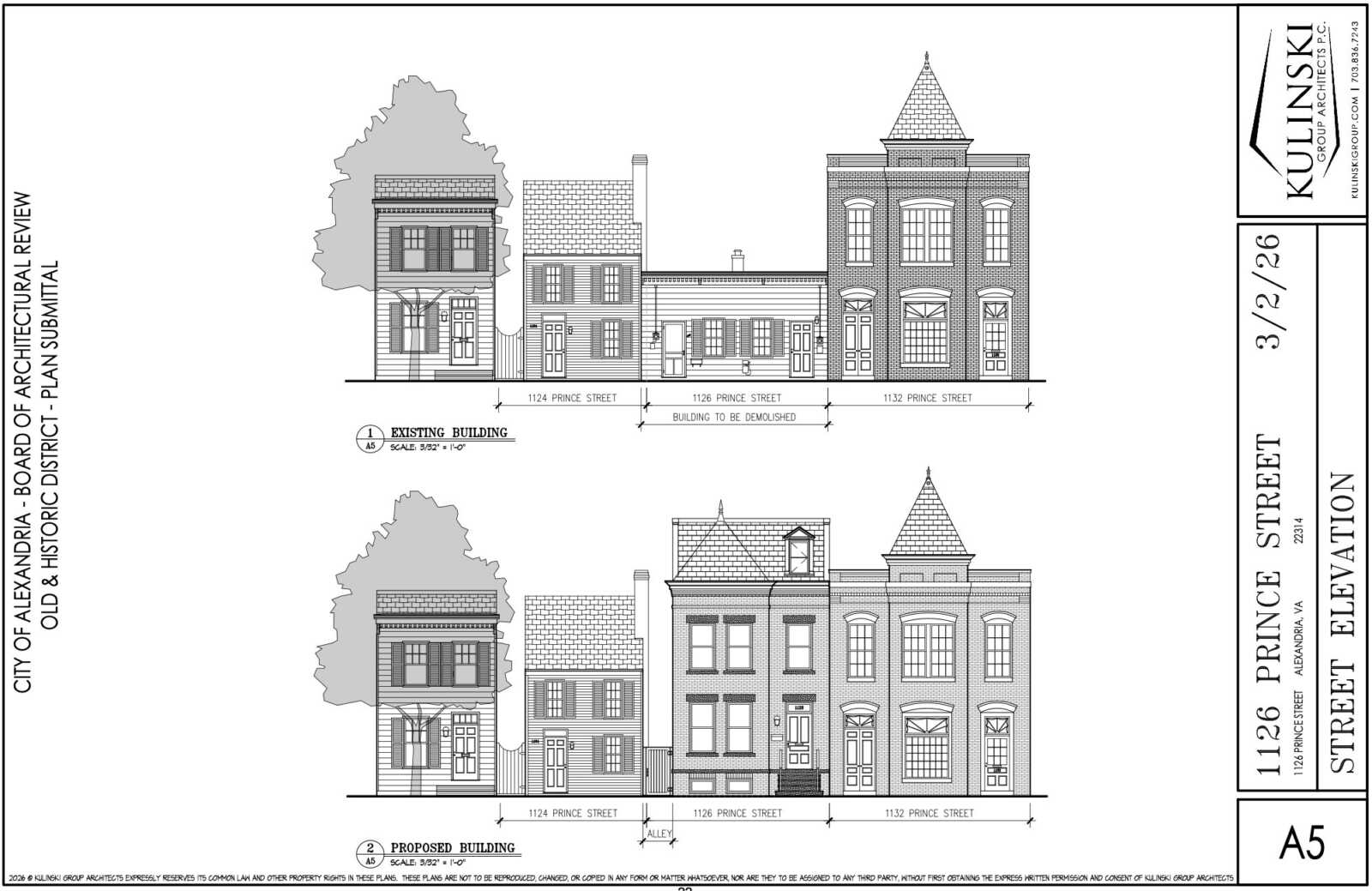
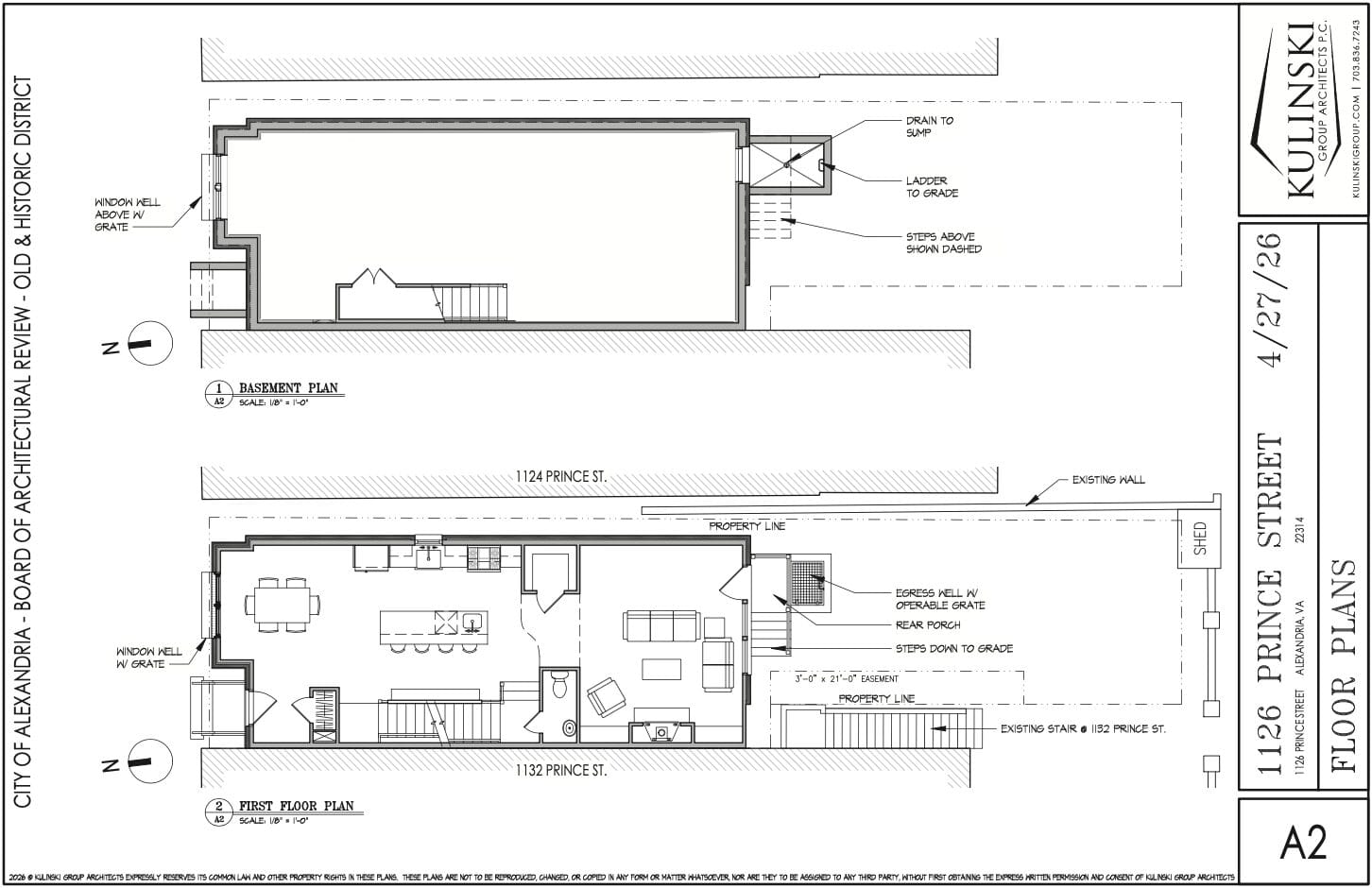
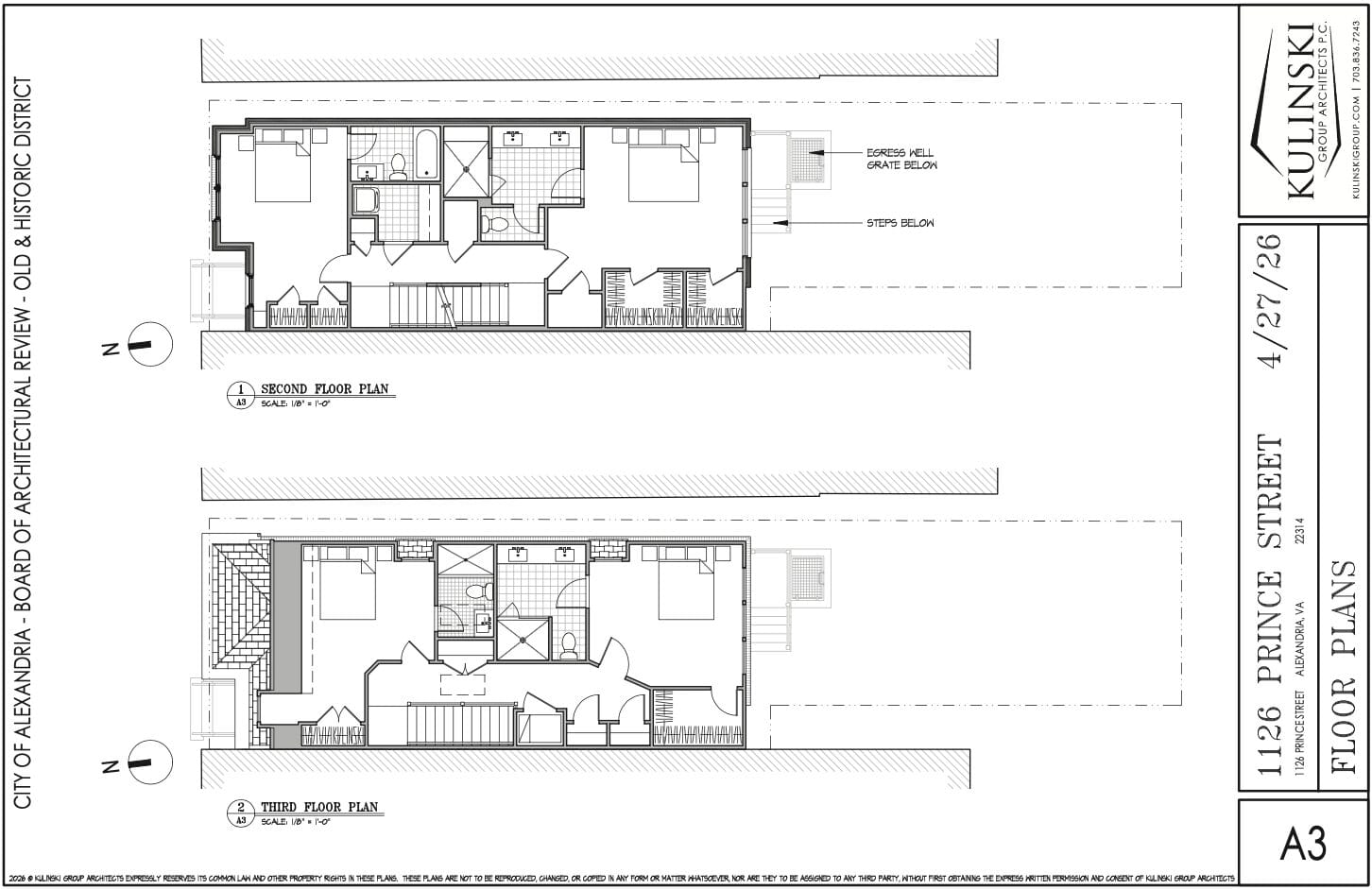
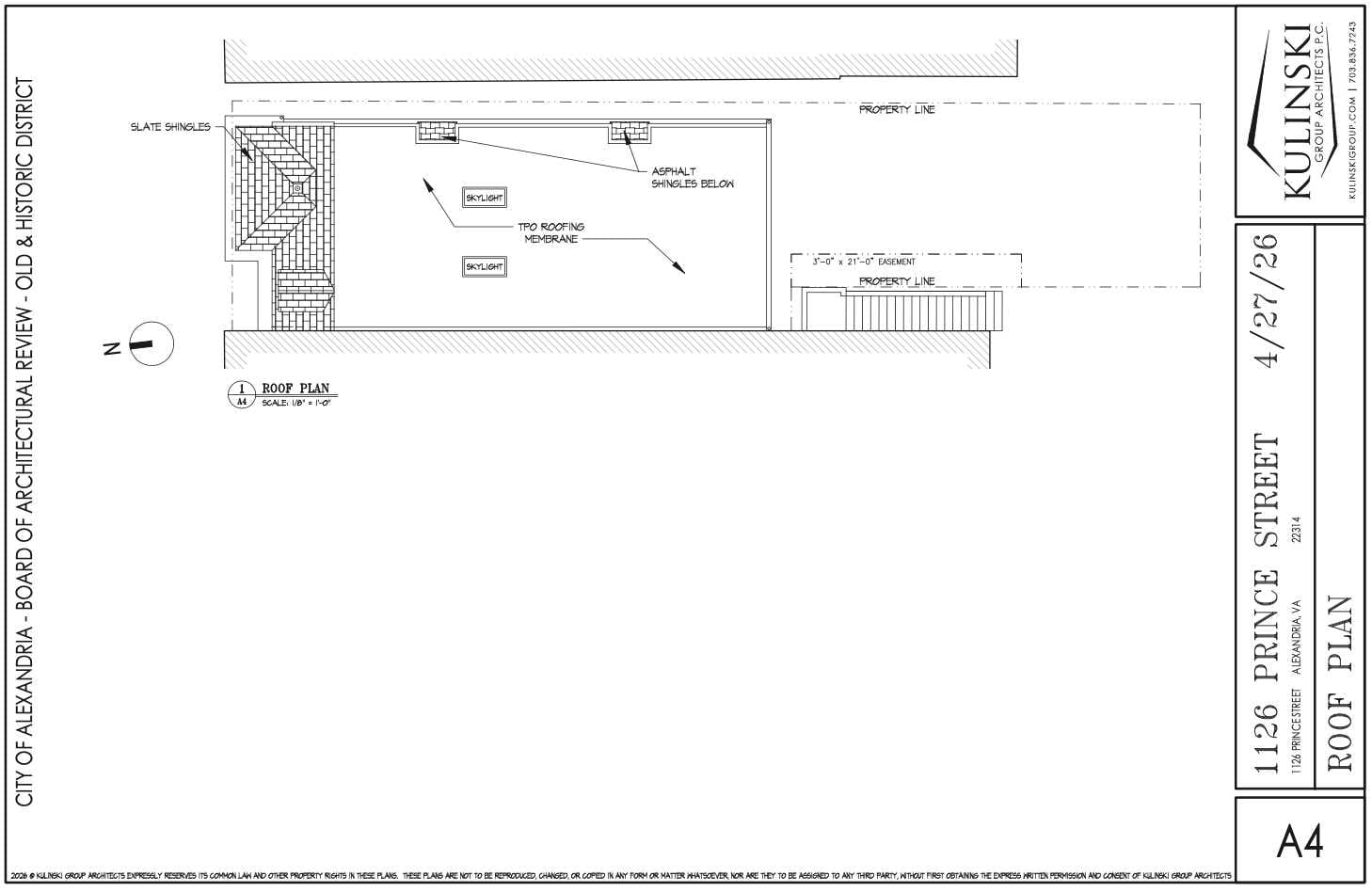
The owner of a small historic home in Old Town wants to demolish and replace it with a three-level townhouse.
The Board of Architectural Review will consider the proposal at its meeting June 3. The one-story building at 1126 Prince Street is only 22 feet wide by 40 feet deep, and its use has shifted from residential to commercial and back over the years. The building was constructed in 1830 and was assessed at $117,855 earlier this year. The 1,700-square-foot lot was assessed at $385,951, putting the total property value at just over half a million dollars.
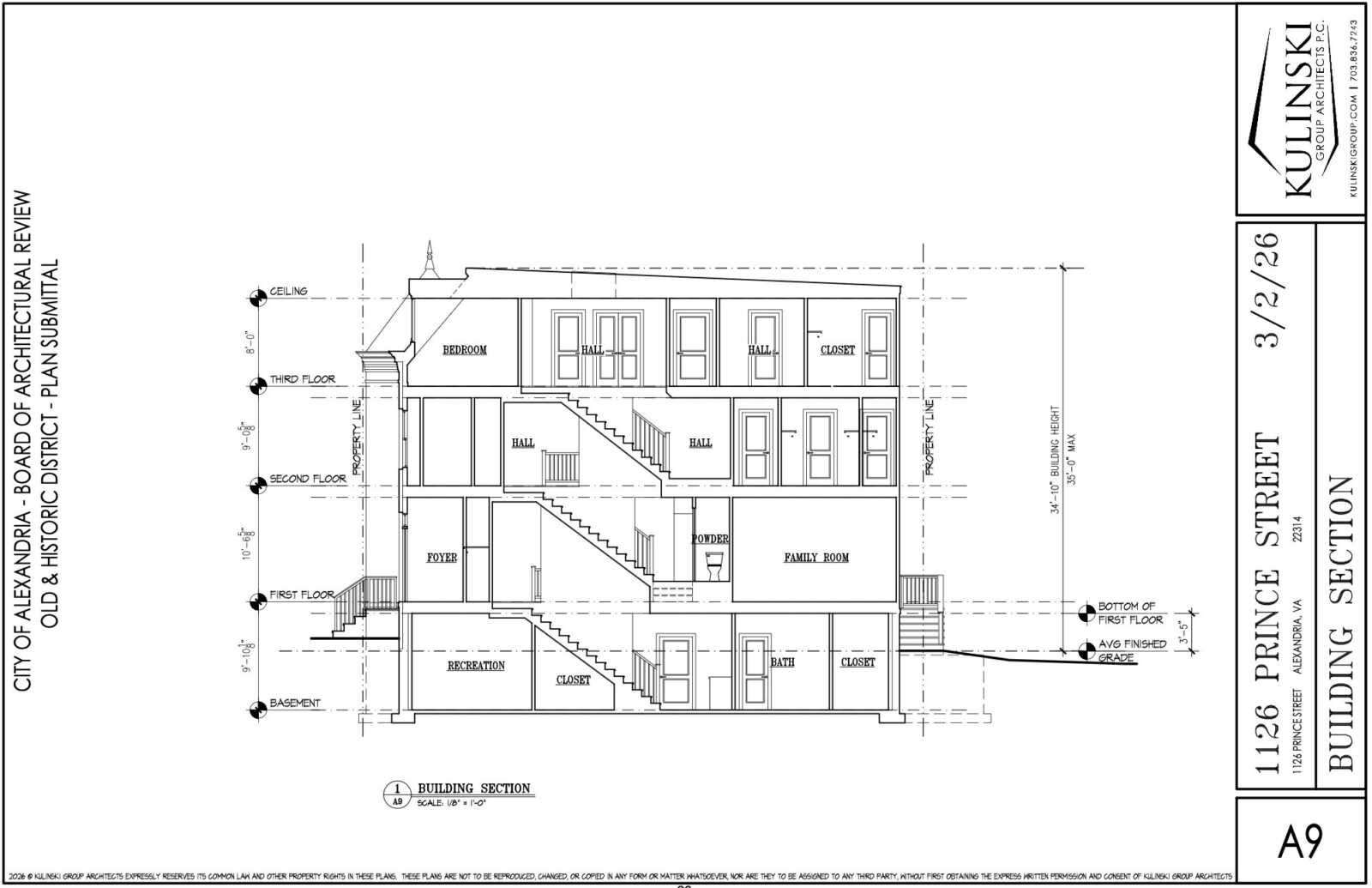
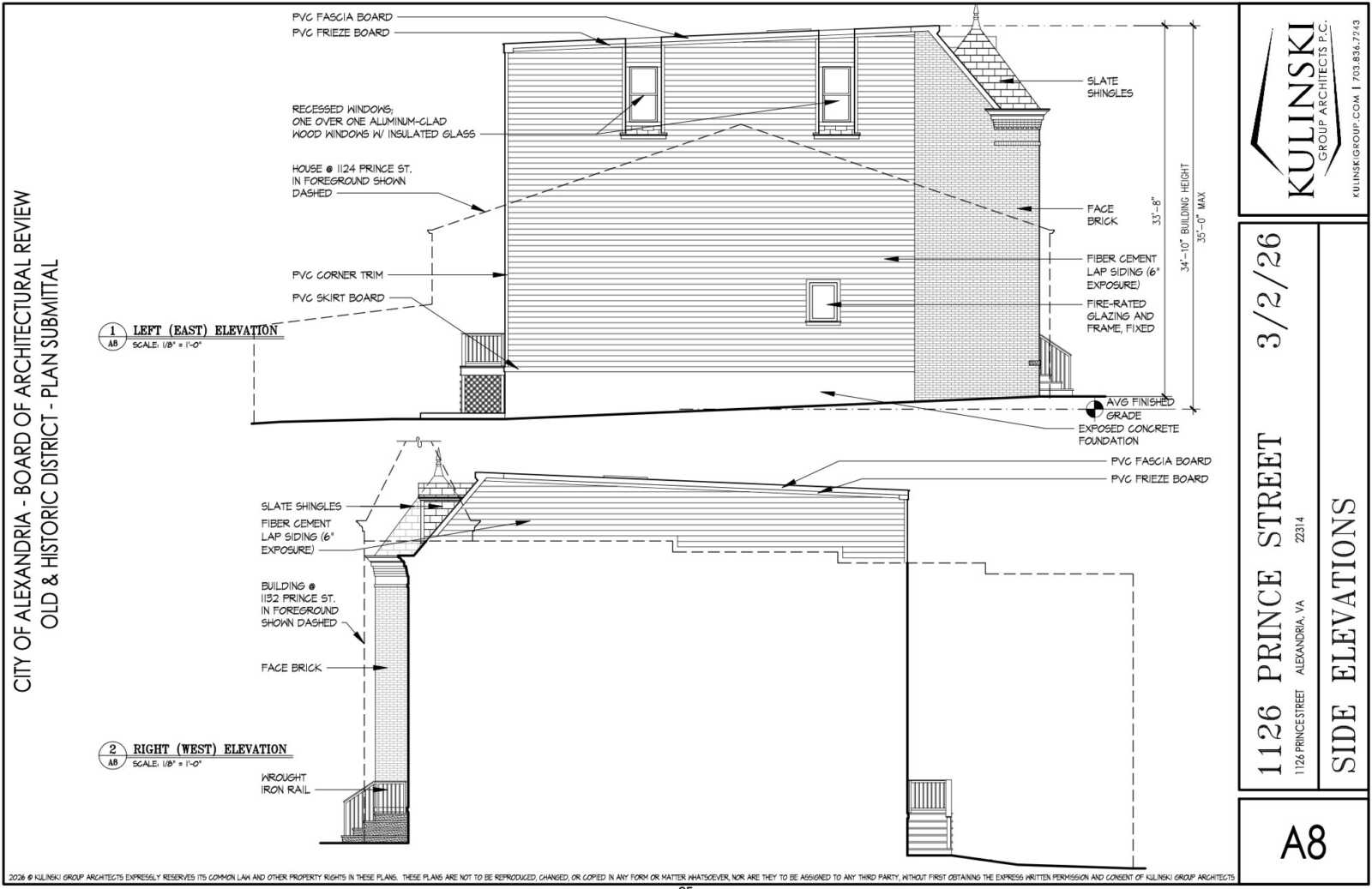
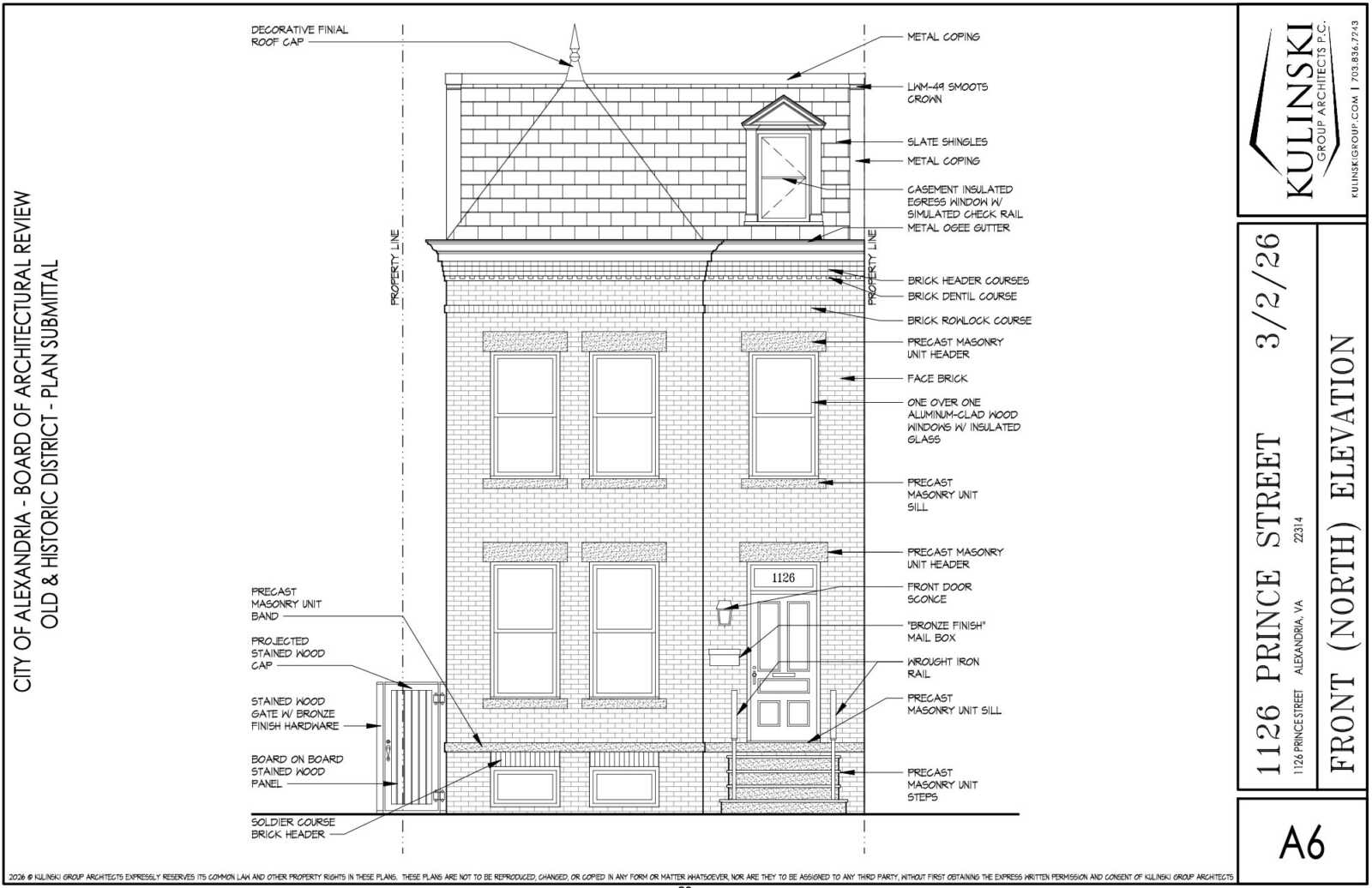
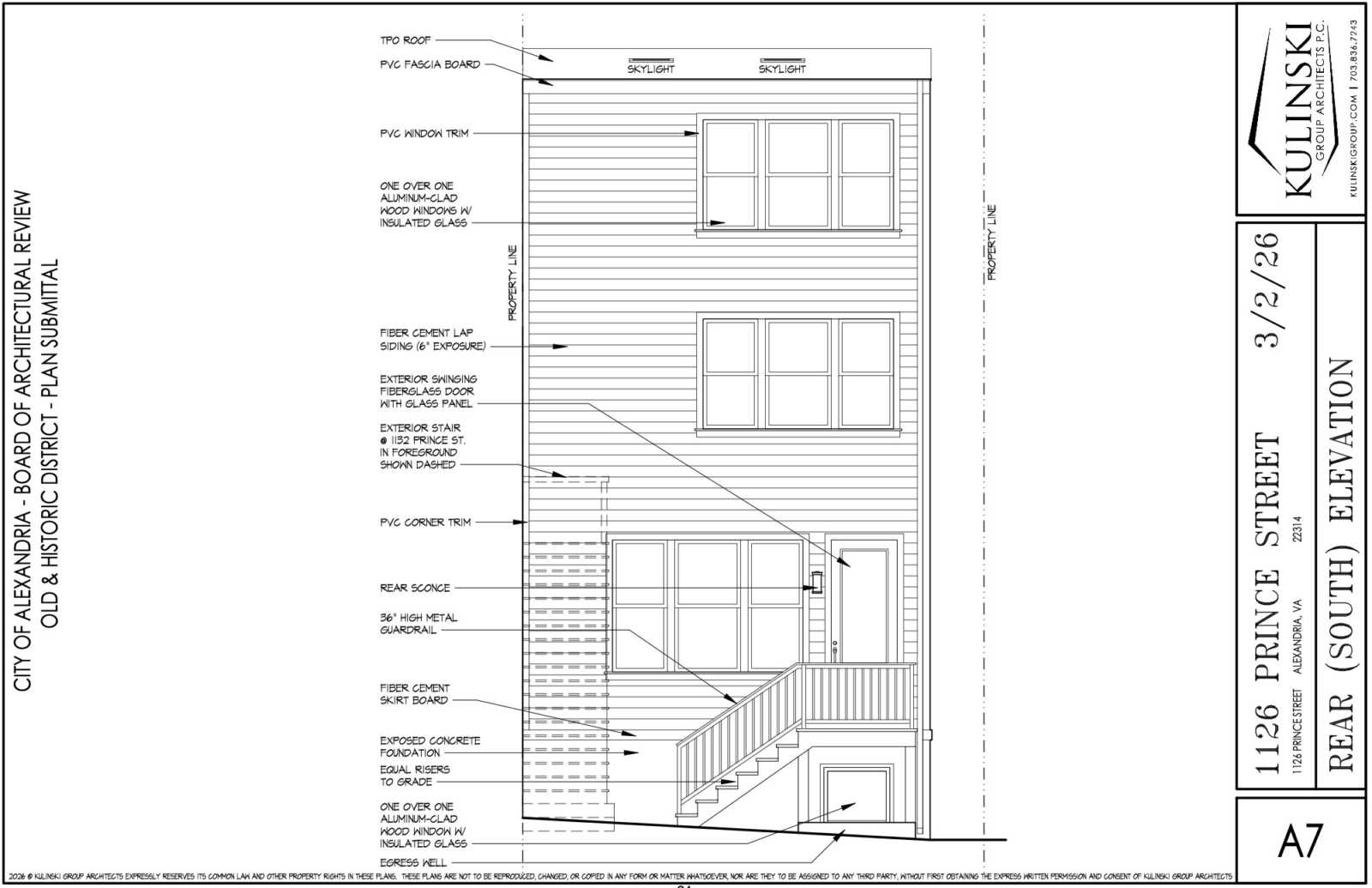
The homeowner wants to convert the one-story property into a three-story home with four bedrooms, four-and-a-half bathrooms and a basement.
In April, city staff reported that the building is not of historical interest.
“Staff supports the proposed new house, finding that the townhouse generally conforms to the Design Guidelines for new residential construction,” City staff said. “The Guidelines state that ‘designs should reflect the architectural heritage of the City…abstraction of historic design elements would be preferred to a building which introduces new design elements.'”
Alexandria-based Kulinski Group Architects is the architect on the project.
According to a city staff report:
The buildings located at 1126, 1128, and 1132 Prince Street were originally one parcel. The Planning Commission approved the subdivision of the parcel on June 1, 2010 (SUB2009-0008). Small portions of the existing one-story frame building at 1126 and 1128 Prince Street may date to the early 20th century. It appears that initially, the one-story portions were connected internally to the two-story commercial building, 1130-1132 Prince Street. By 1958, the Sanborn map shows the one-story portion divided into two equally sized dwelling units and the removal of the one-story ell at 1126 Prince Street…
Staff surmises that the only element of the façade dating from the building’s first period of construction may be the late Victorian-style cornice, which may have been installed in the early 1900s. The building changed from commercial use to residential in the mid-20th century (between 1941 and 1958). Staff believes that the front façade was altered to have a more residential appearance and that windows, siding, and one of the two doors were likely installed at that time. The building also had some later alterations, including synthetic, inoperable shutters and a hollow- core aluminum door.
Therefore, the form and fabric of the structure’s earliest use as grocery storage has nearly been erased, and the mid-20th-century conversion to a duplex has no historical or architectural merit. While staff normally supports the retention of Alexandria’s vernacular commercial buildings, in this case, staff believes that what remains is not of unusual or uncommon design, and its preservation would not preserve historic interest in the City. Therefore, the staff recommends approval of the Permit to Demolish.
Staff also recommends that the building be photographically documented inside and out before a demolition permit is issued, and notes the comments and recommendations of Alexandria Archaeology.
