


Alexandria Mayor Alyia Gaskins and city staff are asking that the Virginia Department of Transportation delay approval of a preferred alternative on a plan to add express lanes from the Springfield Interchange across the Woodrow Wilson Bridge.
In an April letter to VDOT, Gaskins wrote that the project will bring “Alexandria substantial consequences” to our local neighborhoods, and asked that an alternative not be chosen until a noise, traffic, and air safety analysis is conducted. VDOT and the Commonwealth Transportation Board, in the meantime, have set a timeline for the project.
“The City is not opposed to operational strategies like tolling to manage congestion,” Gaskins wrote. “We support smart, effective use of existing infrastructure. But the scale of expansion under consideration here risks serious harm to the very communities this infrastructure is meant to serve. We call on VDOT to prioritize the health, safety, and mobility of local residents by postponing selection of a preferred alternative until a full analysis is available and by working more transparently and collaboratively with impacted jurisdictions.”
VDOT has been evaluating the project for three years, and groups say that it will create traffic bottlenecks if implemented. VDOT is considering removing concrete barriers between through and local lanes, both of which limit VDOT’s options for express lanes. One of those lanes in each direction could also be used in the future for Metro trains across the bridge and to National Harbor.
As previously reported, Alexandria has a history of legal fights over the Woodrow Wilson Bridge, including a lawsuit that resulted in the bridge being 10 lanes instead of 12.
VDOT contends that not building the express lanes will result in worse morning traffic, with westbound I-495 peak travel times potentially doubling by 2050 (from 26 to 52 minutes) and eastbound I-495 peak travel times increasing from 21 to 54 minutes.
In an April letter to Nick Nies, VDOT’s project manager for the I-495 Southside Express Lanes Study Project, Gaskins said that the project “presents serious concerns for our community.”
According to that letter:
This project appears to be moving forward with significant blind spots. A 40% expansion of highway capacity will bring substantial consequences to our local neighborhoods. Alexandria residents and businesses have written to the Council to express concerns about worsening air quality, added noise, increased traffic on city streets, and a diminished quality of life for our residents.
We also have concerns that a preferred alternative was selected in September before the full analysis of noise, traffic, and air quality was complete. We strongly urge VDOT to delay this decision until those analyses are available in November. Without that information, VDOT, the public—and local governments like ours—cannot make informed decisions about the future of their communities.
We also have several additional concerns, including:
- Local Traffic and Induced Demand: The potential High Occupancy Toll (HOT) connections to Route 1 and South Van Dorn Street will place new pressure on local streets already struggling with congestion and safety. The traffic models VDOT is relying on fails to account for induced demand—an omission that leads to overly optimistic projections and risks encouraging more cut-through traffic in our neighborhoods.
- Transit and Long-Term Flexibility: This project runs counter to Alexandria’s long-standing plans to encourage public transit and active transportation. The added highway capacity makes transit less attractive to commuters. And if the two-lane option moves forward, it may be politically and financially impossible to reclaim that space for transit in the future, including transit improvements or pedestrian and bike infrastructure.
- Safety Impacts: No safety analysis has been conducted to determine the impact of these additional lanes. This omission threatens to undermine both VDOT’s Road to Zero initiative and Alexandria’s own Vision Zero program—efforts our community takes very seriously.
- Concessionaire Agreements and Local Authority: The City must receive assurances that future agreements with toll operators will not tie Alexandria’s hands when it comes to managing or modifying our own roads and facilities near the corridor. This concern has been raised before, and we have not received a clear response.
The City is not opposed to operational strategies like tolling to manage congestion. We support smart, effective use of existing infrastructure. But the scale of expansion under consideration here risks serious harm to the very communities this infrastructure is meant to serve. We call on VDOT to prioritize the health, safety, and mobility of local residents by postponing selection of a preferred alternative until a full analysis is available and by working more transparently and collaboratively with impacted jurisdictions.
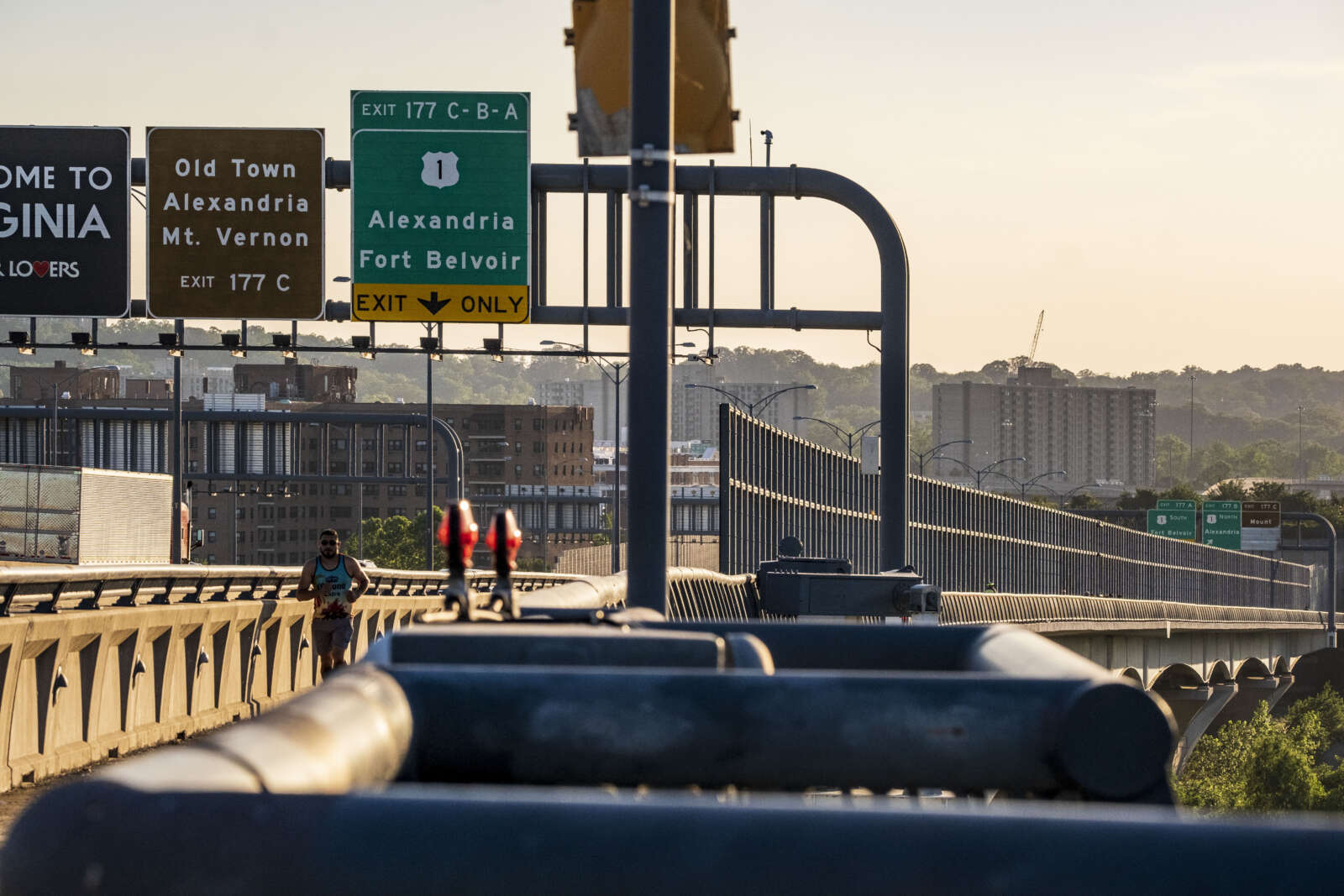
Hillary Orr, the deputy director of the city’s Department of Transportation and Environmental Services, wrote a letter stating that the traffic models used by VDOT to assess the added lanes “do not consider induced demand, which will add more congestion and cut-through traffic.”
The Alexandria Transportation Commission also asked for a delay.
“The Commission remains skeptical that there will be any long-term congestion mitigation from this project in general, and is strongly concerned about impacts to the local transportation network, Commission Chair Matthew McManus wrote in a letter to VDOT.
According to that letter:
- The Commission urges VDOT to wait for a preferred alternative after the results of the traffic impacts to local streets have been analyzed and considered. We are concerned about the project advancing without having reviewed all comprehensive traffic study data, including local traffic impact studies depicting the impact of adding new Express Lanes in the surrounding communities.
- Right-of-way impacts of any related on-off ramps will undoubtedly adversely affect existing traffic patterns on local streets. These impacts should be communicated more clearly and explicitly.
- The Commission is disappointed that options for transit, beyond simply that buses can use the express lanes or that there will be a reservation for Metrorail sometime in the future, are not more fully developed…
- Should the implementation of new tolls be adopted and instituted, the Commission believes that local governments and communities which will be most adversely affected by the expanded lanes and will share the financial burden of traffic mitigation efforts, should benefit the most from toll revenue. As such, the Commission advocated for a robust mitigation program, with major capital and operating improvements requested by the jurisdictions, be funded with toll revenue. These funds should include the flexibility to be used for operating costs, not just capital costs.
- Direct funding of transportation investments to local jurisdictions with toll revenue should be streamlined. The current system of Commuter Choice funding program, while beneficial, still requires jurisdictions to apply and work through bureaucratic red tape.
VDOT’s plans will be discussed in a public hearing at the Nannie J. Lee Memorial Recreation Center in Alexandria on Wednesday, June 11.

