



With less than two weeks until the June 18 primary, the city’s zoning overhaul, the failed Potomac Yard arena and residential taxes were among the top issues discussed by Alexandria’s mayoral candidates in the Chamber ALX‘s debate Tuesday night.
Vice Mayor Amy Jackson, Council Member Alyia Gaskins and former real estate developer Steven Peterson were cordial to each other as they were questioned by NBC4 Northern Virginia Bureau Chief Julie Carey at the George Washington National Masonic Memorial.
The three are vying to replace outgoing two-term Mayor Justin Wilson for the Democrat nomination.
On fundraising, as of March 31, Gaskins raised $149,107 with $69,425 on-hand. Jackson has raised $59,984 and has $22,682 on-hand, while Peterson has raised $44,700 with $14,019 on-hand.
Gaskins, who was first elected to Council in 2021, has also earned the endorsements of Wilson, three City Council Members, and a score of elected officials in neighboring jurisdictions. Jackson has been endorsed by Alexandria’s Commonwealth’s Attorney Bryan Porter, Clerk of the Circuit Court Greg Parks, former Virginia Senate Majority Leader Dick Saslaw and Del. Holly Seibold (D-35th). Peterson, who filed his candidacy on the deadline date of April 4, has few endorsements and perceives himself to be the underdog in this race.
“This is not just another election,” Gaskins said. “We have to grow our commercial tax base, we are about to enter into an aggressive period of investments in our infrastructure, our schools and our city facilities. And we’re still navigating the impacts of the pandemic, which has changed the way we do everything in the city.”
A political newcomer, Peterson has criticized Council’s handling of zoning issues, and says that the city’s politicians aren’t listening to residents.
“I want to make sure that citizens have a voice, and I don’t think we have a voice here now,” Peterson said.
Jackson, now in her second three-year Council term, said that her priorities have stayed constant.
“The things that we need to focus on and have been focusing on during the six years that I’ve been on council are fully funding our schools, public safety and our infrastructure,” Jackson said. “As well as affordable housing being a component of infrastructure that our small businesses, as we’ve always known, are the support system, the backbone of our community.”
Winning the Democrat primary is essentially a victory in November as no Republican candidates have stepped forward and the last time Alexandria had a Republican mayor was in 1872.
There is one final mayoral debate this primary season with the West End Business Association on Saturday, June 8. So far, only Gaskins and Peterson have confirmed that they will attend.
Residential versus commercial taxes
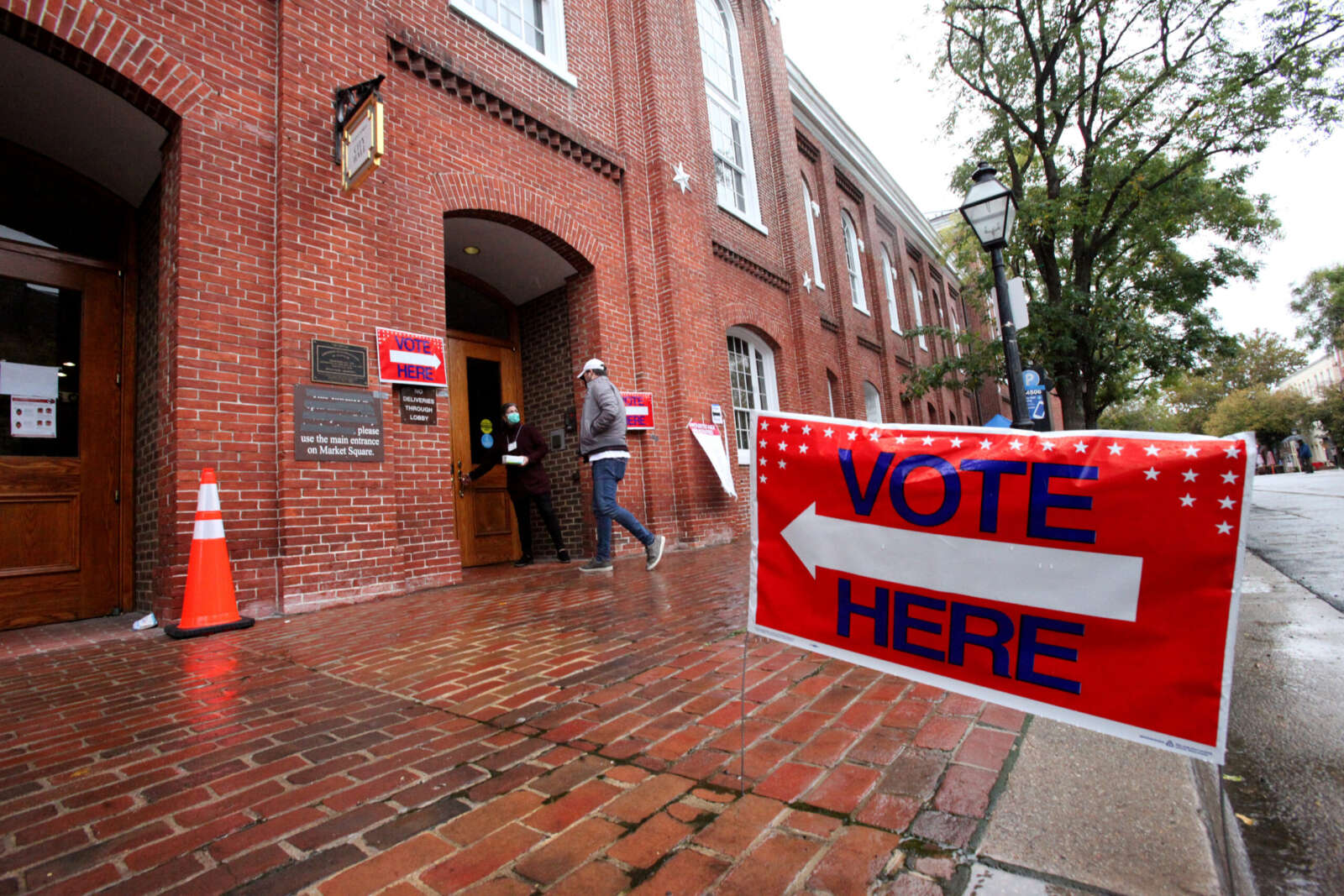
All three candidates had varying positions on how to correct a widening imbalance, where 82% of the city’s tax base is generated by residential property taxes.
A former real estate developer, Peterson said that the city only has two areas — Potomac Yard and the West End’s Landmark area that can generate significant commercial real estate revenue. He also said that if he was in office he would have voted against the Potomac Yard arena, had the issue made it to Council.
“We need to concentrate on areas such as that,” Peterson said.
Gaskins said that there are more areas of the city ripe for development, including along Eisenhower Valley from the Eisenhower Avenue Metro station in the Carlyle neighborhood and going West toward the Van Dorn Metro station. She also said that the city needs to provide residents with more restaurants and venues to have fun and spend money.
“There isn’t an opportunity to really go and spend money in Alexandria at bowling alleys,” Jackson said. “We don’t have any. We have one movie theater… Things like that, that generate money, but also provide entertainment for our youth.”
Gaskins said that the imbalance in the tax base is not sustainable and that the city needs an economic development strategy.
“First and foremost, we need a citywide economic development strategy that goes from Potomac Yard to Landmark to everything in between,” Gaskins said. ” In my administration, it’s going to be one of the first things we start with, beginning with an economic development summit, that we are clear and that we have an action plan that can execute.”
The Potomac Yard arena
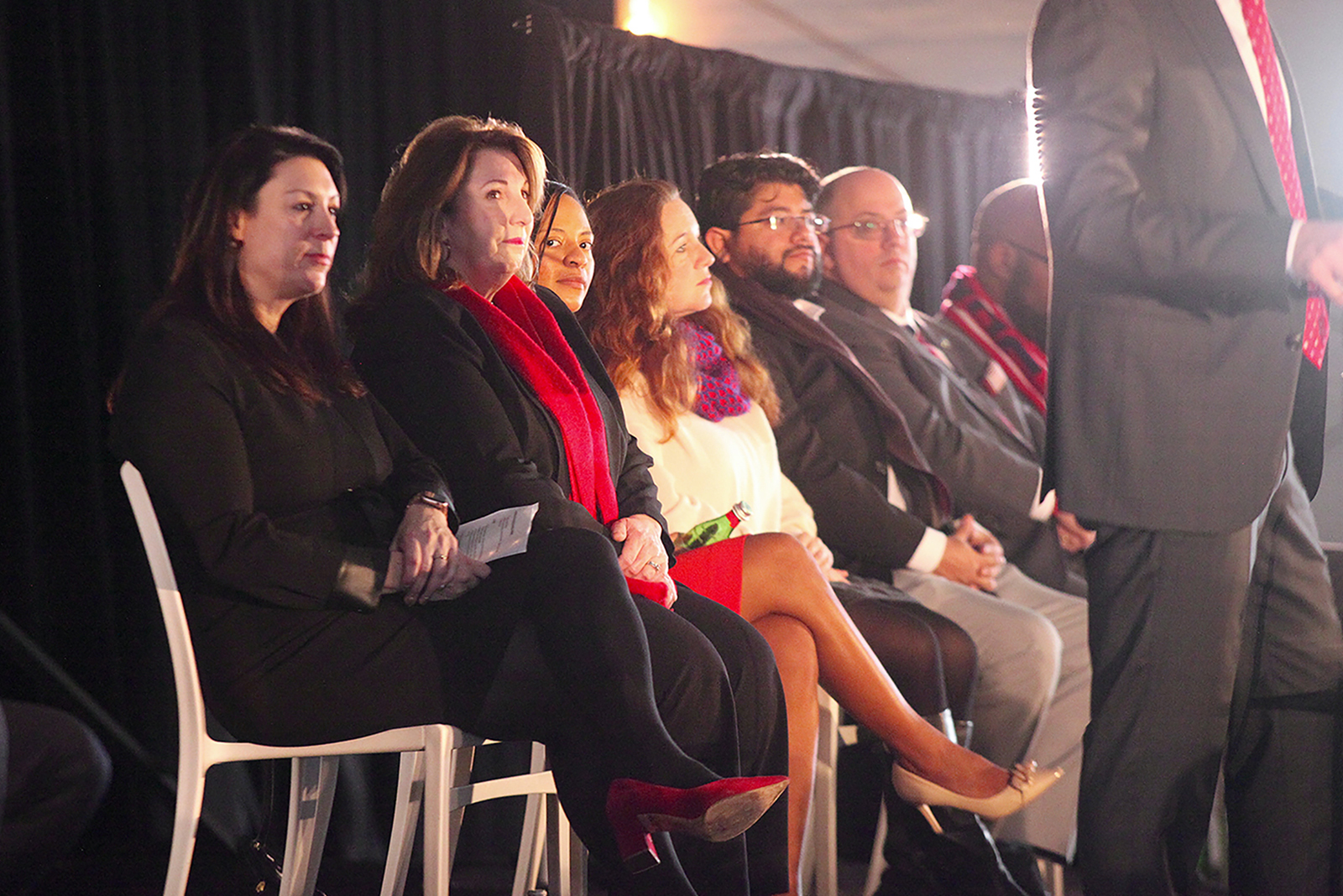
The implosion of the Potomac Yard arena deal is one of the biggest stories of the year in Alexandria. The deal to move the Washington Wizards and Capitals from D.C. next door to the new Potomac Yard Metro station was sprung on the region by Governor Glenn Youngkin, team owner Ted Leonsis and Mayor Wilson in a surprise Dec. 13 announcement.
Wilson spoke at the event and was accompanied onstage by the entire City Council. For three months the city engaged in a public relations campaign to educate residents on the $2 billion proposal to build an entertainment district in Potomac Yard, but backed out when Youngkin failed to get Democrat legislators on board and the proposal died in the Senate Appropriations Committee.
Jackson was questioned on her initial enthusiasm for the proposal and her later change of heart. She now says that Potomac Yard, which is near the Virginia Tech Innovation Campus, needs to be made into a tech corridor.
“We were all looking for that pie-in-the-sky answer to diversify our tax base,” she said. “I was also talking with a lot of economists here in the city, and hearing that the numbers just weren’t adding up not for our city, not for the Commonwealth and it was too great a risk to take.”
Gaskins said that she kept an open mind during the arena discussions. She also said that Council now needs to work on building partnerships to create more retail, restaurant, entertainment and open space for that area.
“In the end, you’ve got a bunch of pretty pictures and frameworks, but we never got an actual deal,” Gaskins said. “That’s why in the end, I felt it was time to move on and begin to look at the future.”
While he said Potomac Yard is an area that needs development, Peterson said that the arena was an inappropriate use for a suburban location.
“There needs to be less intense development,” Peterson said. “(Potomac Yard is) a phenomenal location for great development. It will see its time. It’s just not the appropriate use for the arena.”
Zoning for Housing
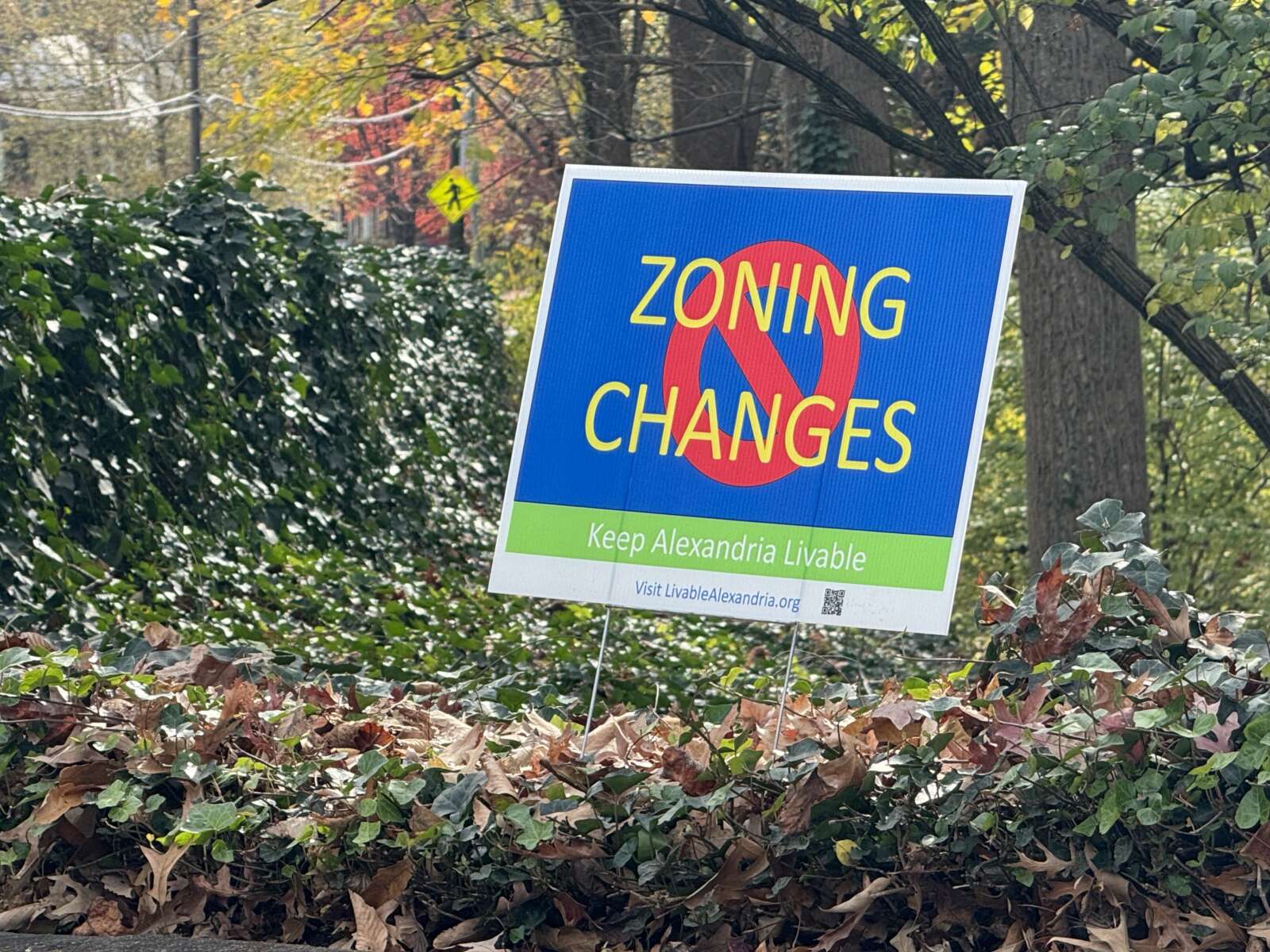
Jackson said that she would not implement the second phase of the citywide Zoning for Housing/Housing for All overhaul that eliminated single family zoning and allows developers to build homes with up to four units on any property.
Jackson, who voted for the proposal last fall, said that during the vote she tried to get the single family housing portion removed, but that it failed to gain support.
“Honestly, I thought personally, people have not been educated enough,” Jackson said. ” We had the same people showing up at the town halls and at the meetings for it. “There is a part two to this package. I would not implement or touch that, and we have six years to do that. So, as mayor I would not start part two.”
The controversial reform package was unanimously approved last year by City Council. It includes expansion of transit-oriented development, reducing parking requirements for single-family homes and analyzing office-to-residential conversions. The effort is meant to increase affordable housing options, as well as eliminate segregationist zoning practices of the past.
Gaskins said that she would not repeal the overhaul, and that Council still has to determine what the second phase will be.
“There is currently no phase two,” Gaskins said. “It’s actually 13 different policies we need to be measuring. Where are we seeing permits being drawn? Where are these new buildings happening? What types of affordability levels are we getting? And are we actually moving forward with all the goals of creating a more affordable, more accessible and more housing availability and different options and communities?”
Phase II would have Council consider simplifying the number of zones in the city, changing or eliminating minimum lot size requirements, creating design guidelines for “traditional neighborhood development” and more, according to the city.
Peterson said he would vote to repeal the overhaul.
“You cannot invade a neighborhood with a fabric that has already been established for 10, 20, 50 years, and bring in outside influences such as townhouses and duplexes or single plexes,” Peterson said. “There’s better ways to address affordable housing.”
