

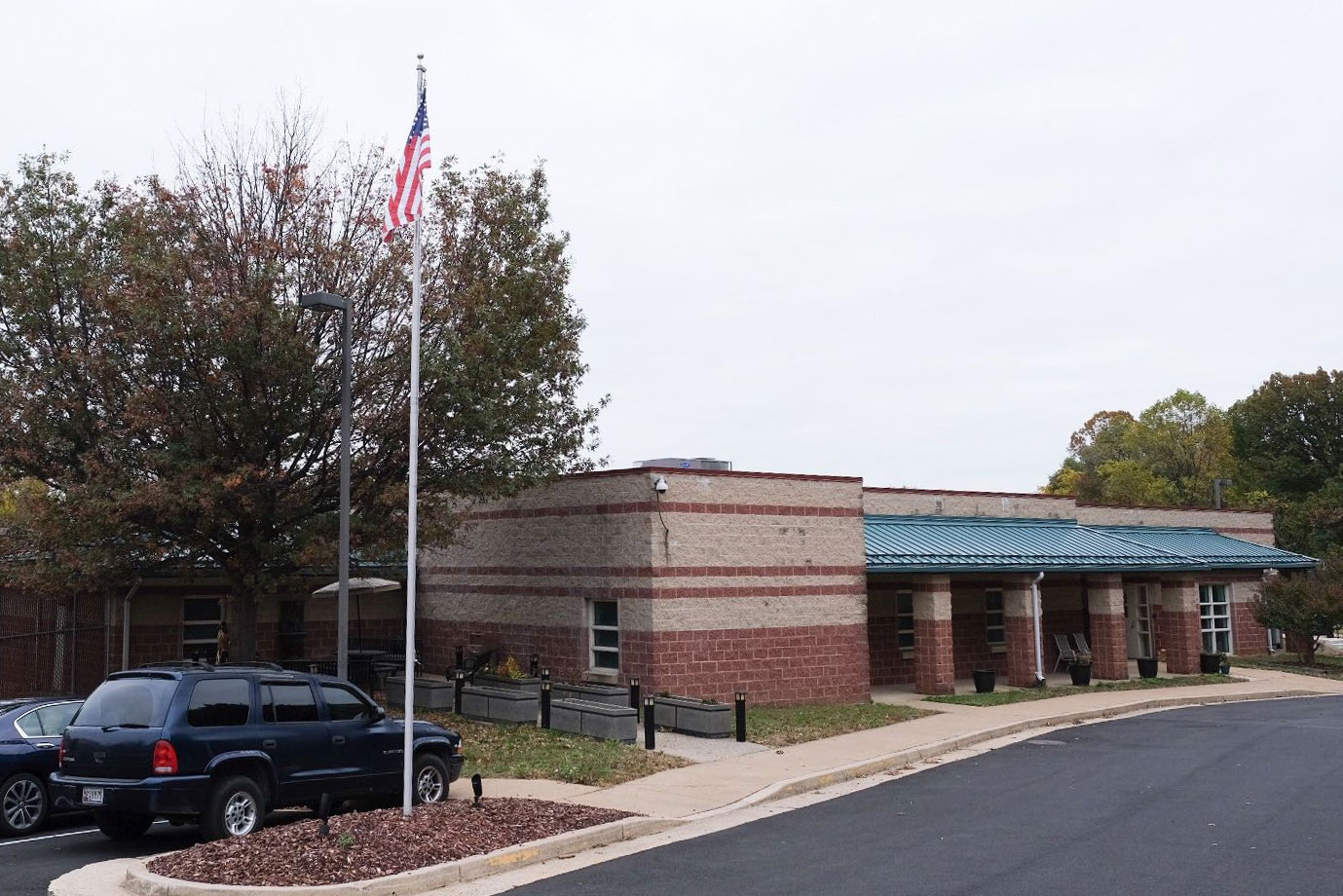
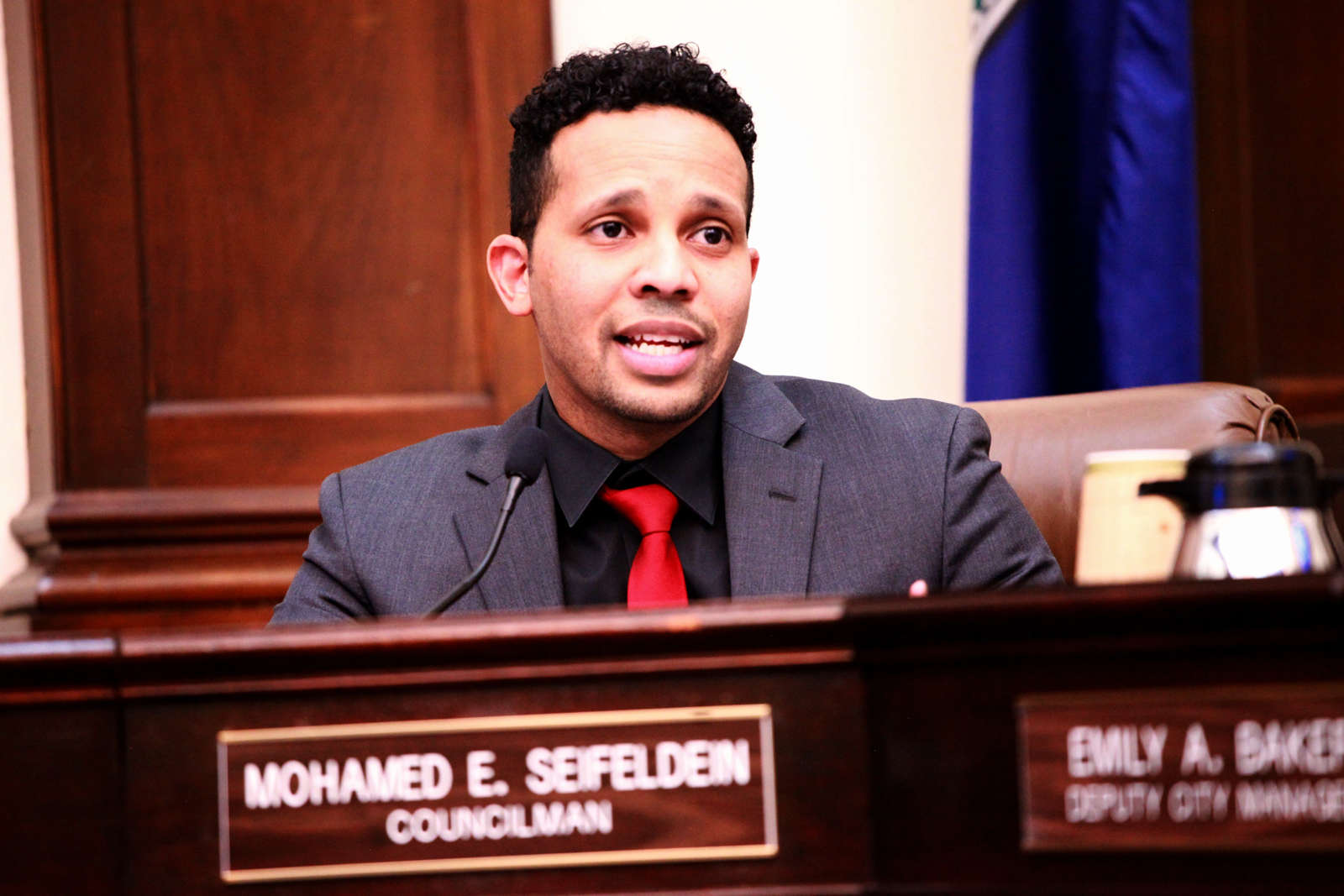
Alexandria City Councilman Mo Seifeldein wants the underutilized 60-year-old Northern Virginia Juvenile Detention Center to shut down.
Staff from the City of Alexandria, Arlington County and Falls Church will make recommendations over the next several months on how to proceed with the building at 200 S. Whiting Street in the West End, which houses youth with serious offenses and behavioral issues from the three jurisdictions.
Seifeldein said that the detention center facilitates inequality, as the inmate population is disproportionately made up of minorities.
“We must work to institute a new, community-based system that best responds to the needs of all of our children and students,” Seifeldein said. “Black youth are consistently and disproportionately detained and incarcerated during pre- and post-trial adjudication, compared to their white counterparts.”
A cost benefit analysis released last fall revealed that the facility is underutilized, with Black juveniles making up an estimated 60% of inmates, followed by 39% white inmates, 31% Hispanic inmates and about 5% listed as other/unknown. There were 150 juveniles committed in fiscal year 2019, and saw a 72% reduction in the number of inmates between 2006 and 2019. That led to a reduction of beds at the facility from 70 to 46 in 2016.
Fairfax County reportedly does not want the inmate at its juvenile detention center, although last fall was at 25% capacity with 121 beds.
“We must work towards creating meaningful restorative outcomes that address the root causes of misbehavior and help our children work beyond their mistakes in order to create promising futures,” Seifeldein said. “This begins with closing the Northern Virginia Detention Center.”
