

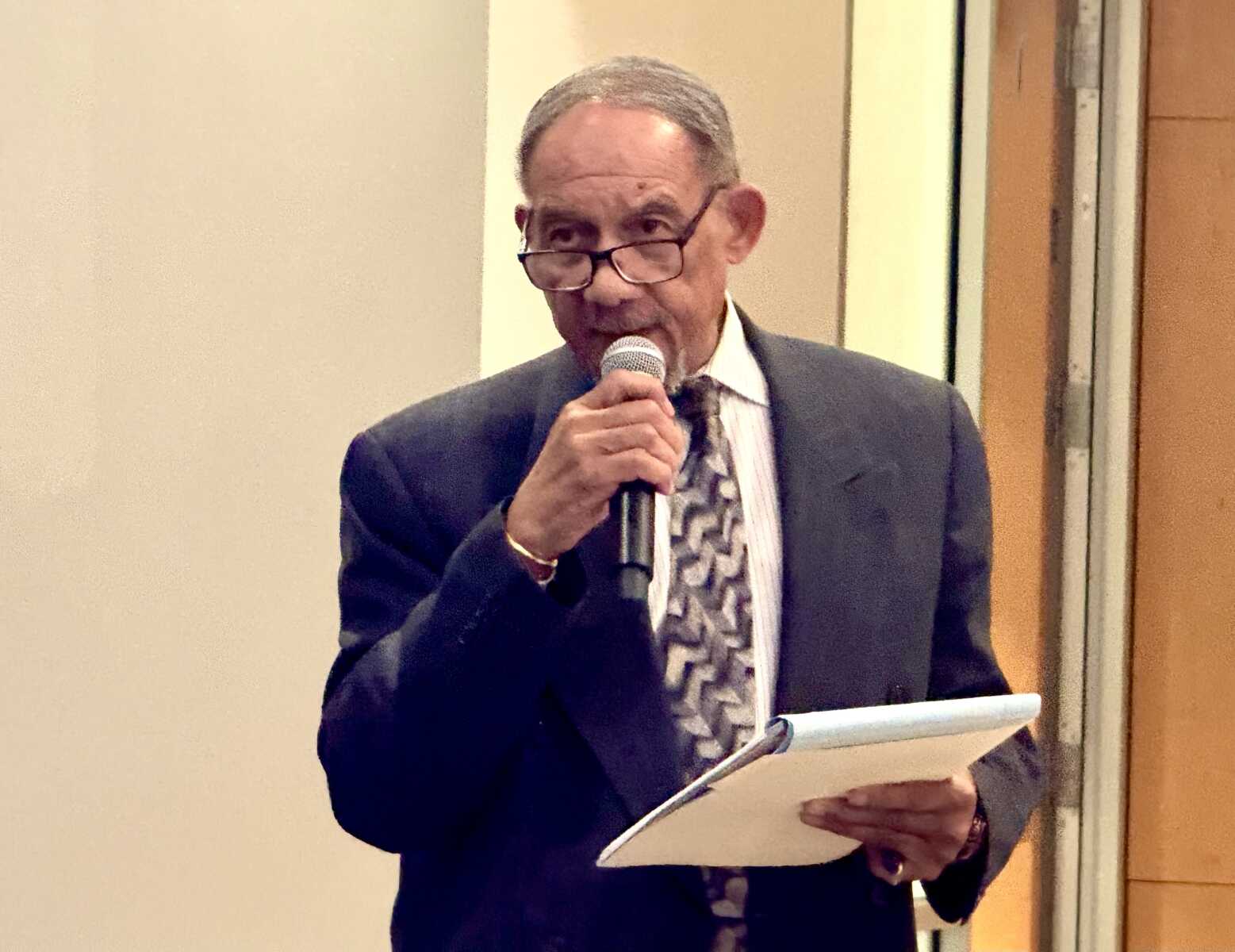
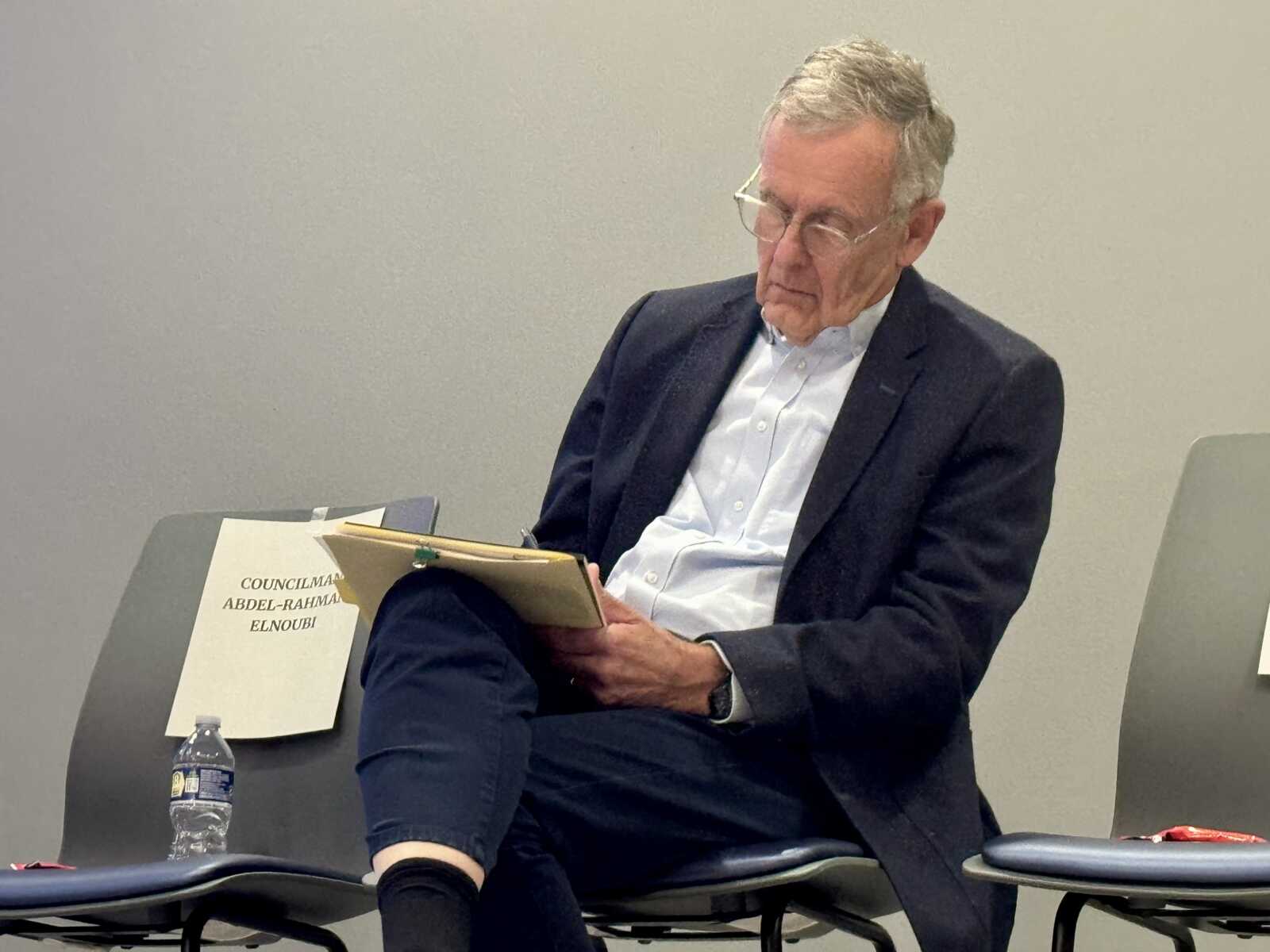
Roy Priest says he’s “somewhat surprised” to find himself working back in his old office.
Since taking over as the acting CEO of the Alexandria Redevelopment and Housing Authority in July, Priest set a goal of getting the nonprofit’s operating and capital budgets approved by the end of the year. He’s also resurrecting ARHA’s previous strategic plan with some updates — all part of an effort to navigate Alexandria’s public housing authority into calmer waters as a new CEO will likely take over this spring.
“I found an organization that, like many, has many strengths and weaknesses, systems that need to be readjusted, and things like that,” Priest told ALXnow in a recent interview. “The major thing I want to look at right now in the short term is making sure that the agency can live effectively within [its] means and produce quality services to the residents.”
Priest was ARHA’s CEO from 2006 to 2017, and returned after interim CEO Rickie Maddox resigned. Last summer, Maddox was named interim after then-CEO Erik Johnson was fired for living in a public housing unit. City Council also demanded that the entire nine-member ARHA board resign.
“I’m looking for creating a culture of excellence where people think that our job is to deliver quality services to our residents in reasonable time frames, and people feel comfortable about what we are providing to them,” Priest said.
Priest will act as interim CEO for five or six months until the ARHA Board of Commissioners fills the permanent CEO position. The national search for the next CEO is underway, and Priest said he’s being asked to be an important part of the hiring process.
Priest said a leader with community economic development experience is needed.
“You got to be somebody here who’s had the experience of having worked with the systems, the funding, the residents, the staffing, the external partners,” Priest said. “ You need somebody who has that kind of background and experience, and somebody who really believes in the power of change, and also someone who believes in and has creative thinking about how to look at old problems with new solutions.”
Public meetings
Priest says he’s giving residents an opportunity to voice their concerns, as ARHA is challenged by a hiring freeze, budget issues, reorganizing rent ledgers and a growing log of maintenance issues. Last month, he and his staff hosted a meeting with residents at Charles Houston Recreation Center and directed residents to discuss any issues with appropriate staffers.
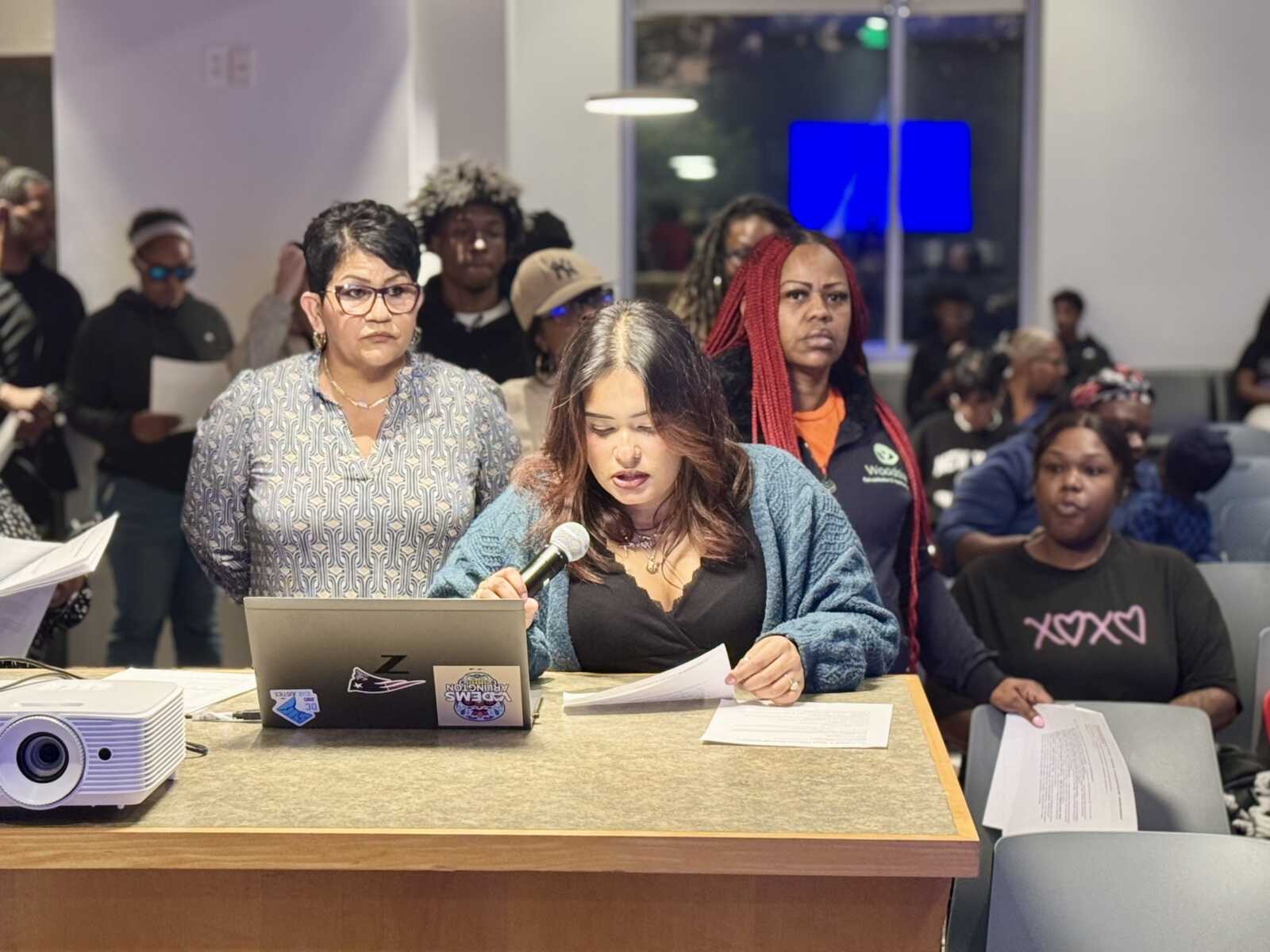
On Wednesday, Oct. 7, ARHA residents also complained to city leaders at a forum at the Del Pepper Community Resource Center in the city’s West End. In that forum, dozens of ARHA residents spoke anonymously in fear of retaliation if they revealed their names.
“We have lived with bullet holes for three years,” one resident said. “During our first year in ARHA housing, our home was struck by gunfire. To this day, the bullet holes and damage to our walls and window have not been properly repaired.”
The resident also said that she has fibromyalgia and that constant cleaning and being on alert make it hard for her body to rest and recover, and added, “My son woke up with a mouse in his bed… Last month, mice were eating our groceries while my husband and I were actively bringing them into the house.”
Mayor Alyia Gaskins attended the Oct. 7 meeting, and said that City Council will be getting regular updates from ARHA’s Board, which is now being led by former City Manager Mark Jinks. She also didn’t like that all of the speakers that night were anonymous.
“Something that has been sitting with me all night is how many people started their statement with, ‘I cannot say my name out of fear of retaliation,'” Gaskins said. “I don’t want to live in a city where anyone feels afraid or worried to use their voice.”
Earlier this year, Gaskins led a fundraising effort with Alfred Street Baptist Church to pay off more than $1 million in back rent.
The tenant-led conversation was organized by former resident Loren Depina.
Priest said residents shouldn’t be afraid, and that solving problems is part of ARHA’s job.
“The responsibility is to resolve the issues, not to find a way to punish the person who said it,” Priest said. “Most of the things that were talked about were things that have been has happened in the previous administration, the agency, and that’s fine. And I think we are trying to address those.”
Waitlist changes and budget issues
Priest froze hiring upon returning to ARHA, and reported that the agency lost $939,323 in retained earnings between May and June and spent about $423,370 more cash than it brought in during July.
“We have rental income as being the two major sources of capital to come into an organization, and we get some capital funding from HUD,” Priest said.
ARHA owns and operates more than 1,100 public housing properties in Alexandria and administers the Housing Choice Voucher program to more than 1,600 residents in private properties. As of November, ARHA’s properties are currently at 95% occupancy and nearly 38,000 people were on its waiting list for housing.
Priest also said that rental incomes on properties under development also impact ARHA’s bottom line, notably the Samuel Madden Homes and Ladrey Hi-rise redevelopment projects.
“We expect to get about the same funding from HUD for the Housing Choice Voucher Program, and we will forecast about what we think we’re going to get in revenues from rental income, and that’s why I push so aggressively for what I call the contract between ARHA and our residents,” Priest said. “Can you pay your rent on time, take care of your unit?”
Priest said that the organization will also be refreshing its waitlist, which has more than 10,000 people on it.
“That’s a very tedious administrative process,” he said. “So if we can reduce that number down, that’s going to be very important to us being able to serve who really is still looking for and seeking to get housing.”
